Why Do Cats Make Biscuits? 5 Amazing Secrets | yellowmimish
 |
| Why Do Cats Make Biscuits? 5 Amazing Secrets | yellowmimish |
Understanding Your Cat's Adorable Kneading Ritual
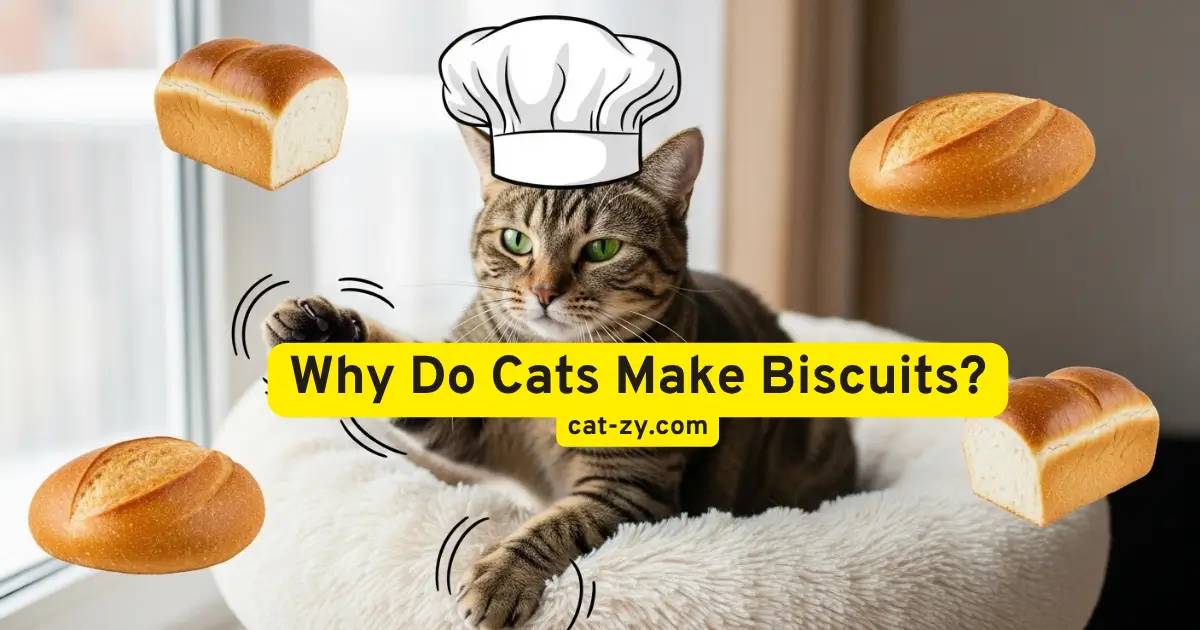
Have you ever watched your feline friend rhythmically pressing their paws against your lap or a cozy blanket? This charming behavior, affectionately known as "making biscuits," is one of the most endearing aspects of cat ownership. Understanding why do cats make biscuits opens a fascinating window into your pet's emotional world and ancestral instincts.
This gentle, repetitive motion involves cats alternating pressure between their front paws, often accompanied by purring and a blissful expression. The behavior appears universal among cats, yet each feline brings their own unique style to this ancient ritual.
The Ancient Origins Behind Feline Kneading
The roots of this behavior stretch back thousands of years to cats' wild ancestors. In ancient Egypt, cats were revered not just for their hunting abilities but also for their mysterious behaviors that seemed to connect them to the divine realm.
Wild cats developed kneading as a survival mechanism. They would press down grass and leaves to create comfortable sleeping areas, while simultaneously checking for potential dangers hidden beneath. This practical behavior evolved into something much more meaningful in domestic cats.
Why do cats make biscuits becomes clearer when we understand that kittens begin this behavior within their first weeks of life. They knead their mother's belly to stimulate milk flow, creating positive associations with comfort, safety, and nourishment that persist throughout their lives.
Expressing Pure Contentment Through Paw Movements
When your cat settles onto your lap and begins their rhythmic kneading, they're sharing their deepest feelings of happiness and security. This behavior represents one of the most authentic expressions of feline contentment.
The connection between kneading and emotional well-being becomes evident when you observe your cat's entire body language during these moments. Their eyes often become half-closed, their posture relaxes completely, and they may even drool slightly from pure bliss.
Cats choose their kneading locations carefully, typically selecting the softest, most comfortable surfaces available. Your lap represents the ultimate combination of warmth, comfort, and emotional security from your cat's perspective.
Ready to dive deeper into feline behavior mysteries? Click here to explore more about why do cats make biscuits and unlock the secrets of your cat's fascinating world.
Territorial Marking Through Scent Communication
Beyond expressing happiness, kneading serves as a sophisticated form of feline communication. Cats possess scent glands in their paw pads that release unique pheromones during the kneading process.
These chemical messages convey complex information about your cat's identity, emotional state, and territorial claims. When your cat kneads on you, they're essentially declaring you as part of their cherished territory.
This scent-marking behavior connects to cats' wild heritage, where establishing and maintaining territory meant survival. Your domestic cat continues this ancient practice, but now it represents love and ownership rather than survival necessity.
The intensity and duration of kneading often correlate with how strongly your cat feels about claiming a particular person or space. Frequent, prolonged kneading sessions indicate deep emotional attachment and territorial investment.
Creating Comfort Through Instinctive Preparation
Cats possess a remarkable ability to transform any space into their perfect resting spot through kneading. This behavior demonstrates their incredible adaptability and attention to personal comfort.
In the wild, cats would spend considerable time preparing their sleeping areas, ensuring both comfort and safety. Modern house cats maintain this instinct, even though their environment presents no physical dangers.
Your cat's choice of kneading surfaces reveals their preferences and personality. Some cats prefer soft fabrics, while others enjoy firmer surfaces. These choices reflect individual comfort needs and past experiences.
Demonstrating Affection and Strengthening Bonds
The act of kneading represents one of the most intimate ways cats express their love for their human companions. This behavior indicates complete trust and emotional vulnerability.
Cats reserve their most affectionate kneading for individuals they consider part of their inner circle. Being chosen as your cat's kneading partner represents a significant honor in the feline world.
The bonding aspect of kneading creates positive feedback loops between cats and their humans. As you respond positively to your cat's kneading, you reinforce their desire to continue this bonding behavior.
Discover the complete guide to understanding your feline companion by exploring more about why do cats make biscuits and strengthen your bond with evidence-based insights.
Self-Soothing During Stressful Moments
Kneading serves as a powerful self-regulation tool that helps cats manage stress and anxiety. This behavior activates the same neural pathways associated with nursing comfort, providing instant emotional relief.
Adult cats instinctively return to this comforting behavior when they encounter challenging situations or environmental changes. The rhythmic motion helps regulate their nervous system and restore emotional balance.
Understanding this aspect of kneading helps cat owners recognize when their pets might need additional support or environmental adjustments. Increased kneading frequency might indicate underlying stress that requires attention.
Individual Variations in Kneading Styles
Every cat develops their own unique kneading signature based on personality, early experiences, and individual preferences. Some cats knead gently with retracted claws, while others engage more vigorously.
The timing and location of kneading also vary significantly between individual cats. Some prefer morning kneading sessions, while others save this behavior for evening relaxation periods.
These individual differences make each cat's kneading behavior a personal expression of their character and emotional needs. Learning to read your specific cat's kneading patterns deepens your understanding of their unique personality.
Embracing This Natural Expression of Love
Understanding the multiple layers behind why do cats make biscuits transforms this simple behavior into a complex communication system. Your cat's kneading represents thousands of years of evolution, individual personality expression, and deep emotional connection.
Rather than viewing kneading as merely cute behavior, recognize it as your cat's sophisticated way of expressing contentment, claiming territory, seeking comfort, and demonstrating love. This ancient behavior connects your modern house cat to their wild ancestors while simultaneously strengthening your contemporary bond.
Every kneading session offers an opportunity to appreciate the remarkable complexity of feline behavior and the special relationship you share with your cat. Embrace these moments as precious gifts from your feline companion, knowing that each gentle press of their paws carries profound meaning and genuine affection.

Cat and Pets
Hi! I'm Luna Whiskerstone, the creative voice behind Cat-zy and YellowMimish. I love writing about the charming world of cats—from quirky behaviors to cozy spaces they adore. Here on this Blogger profile, I share summaries and sneak peeks of my latest articles. Let’s celebrate cats together, one paw-some post at a time! Visit the full blog at 👉 www.cat-zy.com


