Cat Safe Plants: 12 Amazing Indoor Picks | yellowmimish
 |
| Cat Safe Plants: 12 Amazing Indoor Picks | yellowmimish |
Creating a beautiful indoor garden while sharing your home with feline companions requires thoughtful plant selection. Understanding your cat's natural curiosity and tendency to explore through nibbling makes choosing the right greenery essential for a harmonious living space.
Cats have been fascinated by plants throughout history, with ancient Egyptians often depicting their sacred felines lounging among papyrus and lotus plants in temple gardens.
Why Indoor Greenery Matters for Cat Households
Living with cats doesn't mean sacrificing your love for indoor plants. The key lies in understanding feline behavior and selecting varieties that complement your pet's natural instincts rather than working against them.
Your cat's curiosity stems from their wild ancestry, where investigating plants was crucial for survival. This instinctual behavior continues in domestic cats, making plant selection a critical consideration for pet owners.
Understanding Feline Plant Interaction
Cats interact with plants in various ways, from gentle sniffing to enthusiastic nibbling. This behavior isn't destructive intent but rather natural exploration. Some cats are drawn to certain textures, while others enjoy the sensory experience of brushing against foliage.
The placement of plants becomes crucial when considering your cat's climbing abilities and jumping prowess. Elevated surfaces that seem secure to humans often become accessible playgrounds for agile felines.
Ready to discover which plants work perfectly in cat households? Cat Safe Plants offers comprehensive guidance for creating your ideal indoor garden.
Top Plant Varieties for Feline-Friendly Homes
Spider Plants - The Perfect Starting Point

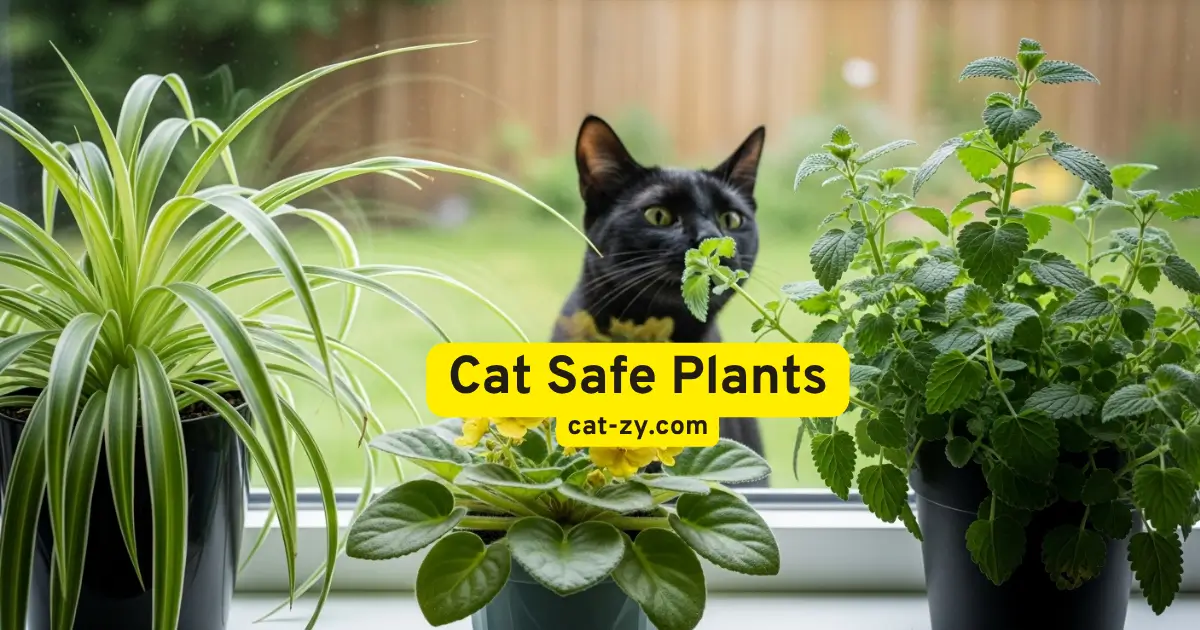
Spider plants represent an excellent introduction to indoor gardening for cat owners. Their cascading growth pattern creates visual interest while their resilient nature tolerates occasional feline attention. These plants adapt well to various lighting conditions, making them suitable for different room environments.
The distinctive arching leaves and small plantlets make spider plants particularly appealing to cats who enjoy batting at dangling objects.
Palms That Complement Cat Behavior
Several palm varieties work wonderfully in homes with cats. Areca palms provide tropical elegance with their feathery fronds, while parlor palms offer compact sophistication. These plants naturally grow upward, keeping most foliage above typical cat reach.
Bamboo palms create natural room dividers while maintaining their appeal to design-conscious pet owners.
Strategic Plant Placement for Cat Households
Understanding your cat's movement patterns helps determine optimal plant positioning. Cats typically follow established routes through homes, using furniture and architectural features as highways.
Wall-mounted planters and ceiling-suspended containers offer creative solutions for displaying plants while keeping them accessible for care but out of immediate feline reach.
Creating Vertical Gardens
Vertical gardening techniques work exceptionally well in cat households. Wall-mounted systems and tiered plant stands allow you to showcase multiple varieties while accommodating your cat's ground-level territory.
Consider your cat's jumping ability when determining heights, as most cats can easily reach surfaces six feet high or more.
Discover more innovative placement strategies through Cat Safe Plants for maximizing your indoor garden potential.
Seasonal Considerations for Indoor Gardens
Different seasons affect both plant growth and cat behavior. Winter months often see increased indoor activity from cats, potentially leading to more plant interaction. Adjusting your garden layout seasonally helps accommodate these behavioral changes.
Spring triggers natural hunting instincts in many cats, making them more likely to investigate new plants or changes in their environment.
Adapting to Feline Seasonal Patterns
Understanding seasonal feline behavior helps predict when cats might show increased interest in plants. Many cats become more active during the spring months, coinciding with natural mating seasons and territorial behaviors.
Summer heat often drives cats to seek cool, shaded areas, potentially making them more attracted to areas around large plants.
Designing Harmonious Spaces
Successful integration of plants and cats requires considering both species' needs. Cats appreciate clear sight lines through rooms and prefer spaces that offer both hiding spots and observation points.
Plants can actually enhance these natural preferences by creating natural boundaries and visual interest that cats find appealing.
Texture and Sensory Appeal
Different plant textures appeal to various feline preferences. Some cats prefer smooth leaves, while others gravitate toward more textured foliage. Observing your cat's preferences helps guide plant selection for maximum household harmony.
The rustling sounds of certain plants can either attract or deter cats, depending on individual personalities and experiences.
Maintenance Strategies for Cat Households
Caring for plants in homes with cats requires modified approaches to traditional gardening techniques. Regular inspection for signs of feline interaction helps maintain both plant appearance and household cleanliness.
Watering schedules may need adjustment based on soil displacement from curious paws or increased drainage needs from investigation activities.
Creating designated plant care times when cats are occupied elsewhere simplifies maintenance routines and reduces interruptions.
Long-term Success Planning
Successful indoor gardening with cats involves thinking beyond initial plant selection. Consider how plants will grow and change over time, potentially becoming more or less accessible to your feline companions.
Regular rotation of plant positions can maintain novelty for both you and your cats while preventing them from becoming too attached to particular specimens.
Living harmoniously with both plants and cats creates enriching environments that benefit everyone in the household. The combination of natural beauty and feline companionship offers unique rewards for those willing to thoughtfully plan their indoor spaces.

Cat and Pets
Hi! I'm Luna Whiskerstone, the creative voice behind Cat-zy and YellowMimish. I love writing about the charming world of cats—from quirky behaviors to cozy spaces they adore. Here on this Blogger profile, I share summaries and sneak peeks of my latest articles. Let’s celebrate cats together, one paw-some post at a time! Visit the full blog at 👉 www.cat-zy.com


