Cat Urinating Outside Litter Box: 7 Proven Solutions | yellowmimish
 |
| Cat Urinating Outside Litter Box: 7 Proven Solutions | yellowmimish |
Understanding Your Feline Friend's Bathroom Preferences
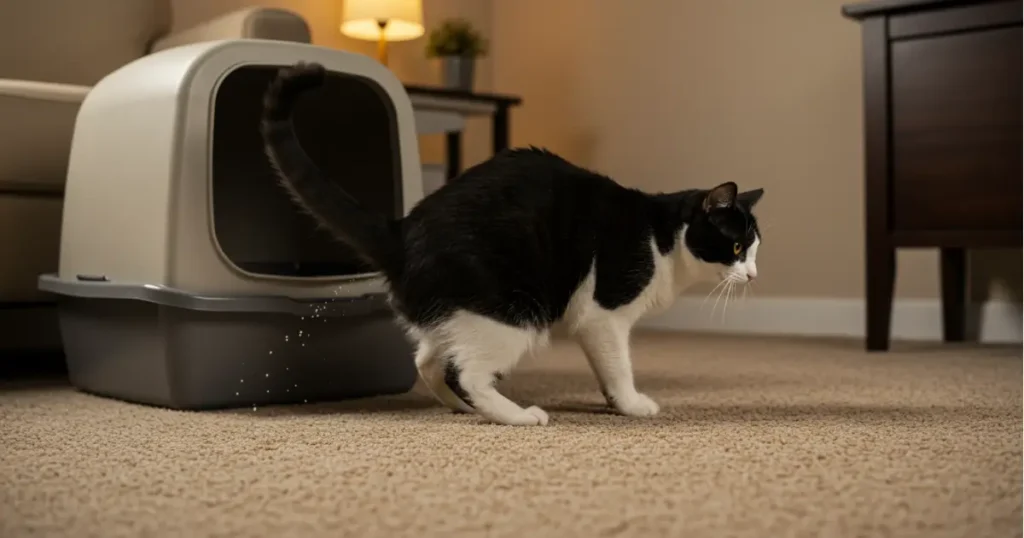
Every cat parent has faced that frustrating moment when they discover their beloved pet has chosen somewhere other than their designated bathroom spot. This common feline behavior affects roughly one in ten cats annually, making it one of the most frequent concerns among pet owners.
Cat urinating outside litter box behavior isn't about rebellion or spite - it's your feline's way of communicating that something in their environment needs attention. Understanding this communication is the first step toward creating a harmonious living space for both you and your whiskered companion.
The Language of Feline Elimination Habits
Cats are incredibly particular creatures with specific preferences that have evolved over thousands of years. In ancient Egypt, cats were revered not just for their hunting abilities but also for their cleanliness - a trait that made them perfect temple companions. This inherent need for cleanliness remains deeply ingrained in modern domestic cats.
Your cat's elimination habits tell a story about their comfort level, territorial feelings, and environmental satisfaction. When these habits change, it's their way of expressing that something in their world needs adjustment.
Creating the Perfect Bathroom Environment
The Golden Rule of Litter Box Setup
The foundation of successful litter box management lies in the "plus one" principle. For every cat in your home, provide one additional bathroom option beyond what seems necessary. This approach reduces competition and gives your feline multiple choices, which cats absolutely love.
Location plays a crucial role in your cat's bathroom preferences. Quiet, easily accessible areas away from food and water stations work best. Avoid high-traffic zones or areas with sudden loud noises that might startle your pet during vulnerable moments.
Size and Cleanliness Matter
Most commercial litter boxes are surprisingly too small for the average cat. Your feline needs enough space to turn around comfortably and dig to their heart's content. Think of it as creating a spacious powder room rather than a cramped closet.
Daily maintenance is non-negotiable. Cats have incredibly sensitive noses and will avoid areas that don't meet their cleanliness standards. Fresh, odor-free environments encourage consistent use and prevent the development of avoidance behaviors.
Ready to transform your cat's bathroom experience? Learn more expert strategies for cat urinating outside litter box solutions that actually work!
Behavioral Solutions That Work
Understanding Territory and Stress
Cats are territorial creatures by nature, and changes in their environment can trigger marking behaviors. Unlike elimination accidents, territorial marking typically appears as small amounts on vertical surfaces and serves as feline social media - leaving messages for other cats.
Environmental stressors like new family members, rearranged furniture, or schedule changes can disrupt your cat's sense of security. Creating consistent routines and maintaining familiar scents helps reduce anxiety-driven behaviors.
The Power of Positive Reinforcement
Modern cat behavior understanding has moved far beyond punishment-based approaches. Positive reinforcement - rewarding desired behaviors - builds trust and encourages repetition of good habits. When your cat uses their designated bathroom area, gentle praise or a small treat reinforces this positive choice.
Environmental Enrichment Strategies
A bored or understimulated cat may develop inappropriate elimination habits as a way to create interest in their environment. Providing vertical climbing spaces, interactive toys, and engaging play sessions redirects energy toward appropriate activities.
Scratching posts and designated marking areas can satisfy your cat's natural territorial instincts in acceptable ways. This approach acknowledges their behavioral needs while protecting your home.
Advanced Cleaning and Prevention Techniques
Why Regular Cleaners Don't Work
Standard household cleaners may mask odors to human noses but fail to eliminate the proteins that cats can still detect. These lingering scents act as "bathroom here" signals, encouraging repeat incidents in the same locations.
Enzymatic cleaners specifically target and break down the organic compounds in cat urine, truly eliminating the source rather than just covering it. This complete elimination is essential for preventing re-marking behaviors.
Surface-Specific Cleaning Approaches
Different surfaces require different cleaning strategies:
• Carpets: Act quickly with absorbent materials, then apply enzymatic cleaners according to product instructions
• Hard floors: Use enzymatic cleaners followed by thorough rinsing to prevent residue buildup
• Furniture: Test cleaners in inconspicuous areas first, then treat affected zones
Smart Deterrent Strategies
Physical deterrents like aluminum foil or double-sided tape make previously soiled areas less appealing without causing distress. Cats generally dislike these textures and will naturally avoid them.
Pheromone products can create calming environments that reduce stress-driven behaviors. These synthetic versions of natural cat pheromones help establish a sense of security and familiarity.
For comprehensive guidance on eliminating cat urinating outside litter box behaviors, explore proven techniques that address both immediate concerns and long-term prevention.
Creating Long-Term Success
Patience and Consistency
Behavioral changes take time, and rushing the process often leads to setbacks. Consistent application of environmental improvements, combined with patience, yields the best results. Celebrate small victories and maintain your approach even when progress seems slow.
Monitoring and Adaptation
Every cat is unique, and what works for one may not work for another. Pay attention to your feline's responses to different strategies and be willing to adapt your approach. Keeping a simple log of incidents can help identify patterns and triggers.
Building Stronger Bonds
Addressing elimination issues successfully often strengthens the bond between cats and their humans. The process requires observation, understanding, and patience - all qualities that improve overall communication and trust.
Remember that cat urinating outside litter box behavior is your pet's attempt to communicate their needs. By responding with understanding rather than frustration, you create an environment where both you and your feline companion can thrive.
The key to success lies in addressing your cat's natural instincts and preferences while maintaining a clean, stress-free environment. With consistent effort and the right approach, most elimination issues resolve completely, leading to a harmonious home for everyone involved.

Cat and Pets
Hi! I'm Luna Whiskerstone, the creative voice behind Cat-zy and YellowMimish. I love writing about the charming world of cats—from quirky behaviors to cozy spaces they adore. Here on this Blogger profile, I share summaries and sneak peeks of my latest articles. Let’s celebrate cats together, one paw-some post at a time! Visit the full blog at 👉 www.cat-zy.com


