Cat Peeing Everywhere: 7 Shocking Fixes | yellowmimish
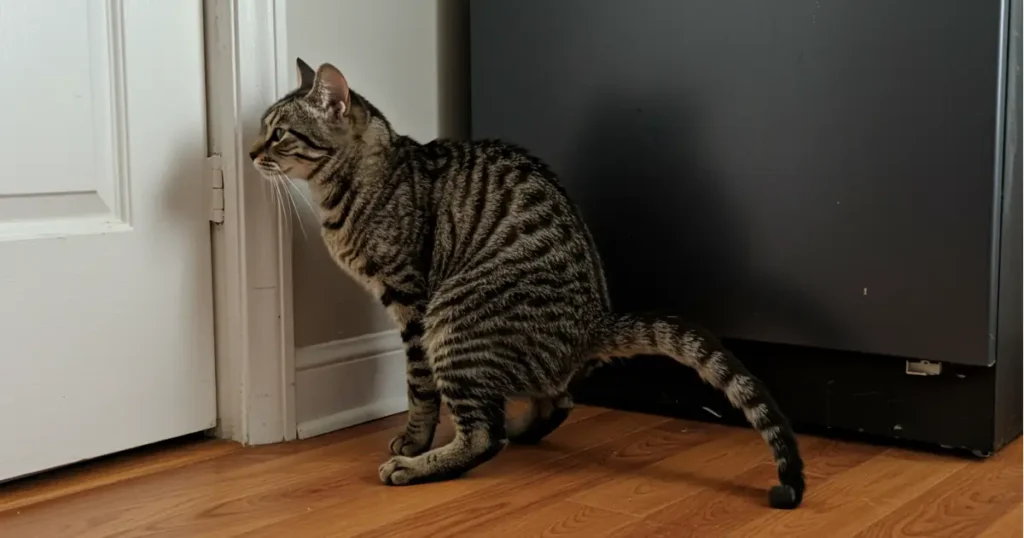 |
| Cat Peeing Everywhere: 7 Shocking Fixes | yellowmimish |
Understanding Your Cat's Secret Language: Why They Choose Alternative Bathrooms
When your beloved feline companion suddenly transforms from a perfectly house-trained pet into someone who treats your entire home as their personal restroom, it's easy to feel frustrated and confused. The reality is that Cat peeing everywhere isn't about rebellion or spite—it's your cat's way of sending you an urgent message about their world.
Throughout history, cats have been revered for their cleanliness and fastidious bathroom habits. Ancient Egyptians noticed that cats naturally buried their waste, a behavior that made them ideal companions in grain storage areas where hygiene was crucial.
Your cat's inappropriate urination is actually sophisticated communication. Unlike humans who express concerns verbally, cats rely on scent marking and location choices to convey their emotional and physical needs. Understanding this feline "language" is the first step toward restoring bathroom harmony in your home.
Decoding Your Cat's Bathroom Messages
The Art of Feline Communication Through Elimination
Cats possess incredibly complex communication systems that go far beyond simple meowing. Their elimination habits serve as detailed status reports about their comfort level, territorial security, and emotional well-being. When Cat peeing everywhere becomes an issue, your pet is essentially posting urgent bulletins about their living situation.
Territory marking differs significantly from inappropriate elimination. Marking typically involves small amounts of urine sprayed on vertical surfaces like walls, furniture, or doorways. This behavior announces ownership and establishes boundaries. In contrast, inappropriate elimination involves normal amounts of urine deposited on horizontal surfaces like carpets, beds, or floors.
The distinction matters because each behavior requires different solutions. Marking often indicates territorial stress or the need to establish security, while inappropriate elimination usually points to litter box issues or general anxiety.
Stress: The Hidden Culprit Behind Bathroom Problems
Cats thrive on predictability and routine. When their carefully ordered world experiences disruption, stress-related elimination often follows. Common triggers include environmental changes like moving furniture, introducing new family members, or even subtle shifts in daily schedules.
Social dynamics play a crucial role in feline stress levels. The arrival of a new baby, additional pets, or changes in household routines can trigger insecurity. Cats may respond by choosing familiar-smelling locations for elimination, seeking comfort through scent association.
Environmental stressors often go unnoticed by humans but create significant anxiety for cats. Loud noises, strong odors, or even the sight of outdoor cats through windows can trigger territorial responses and inappropriate elimination behaviors.
Ready to discover proven solutions for your cat's bathroom challenges? Cat peeing everywhere doesn't have to be a permanent problem—effective strategies can restore peace to your home.
Creating the Perfect Feline Bathroom Experience
Litter Box Fundamentals That Actually Work
The foundation of good bathroom habits lies in understanding your cat's natural preferences and instincts. Wild cats choose elimination spots based on safety, cleanliness, and territorial considerations. Domestic cats retain these same instincts, making litter box setup crucial for success.
The golden rule for litter box quantity is simple: one box per cat plus one additional box. This ensures availability and reduces competition in multi-cat households. Box placement requires strategic thinking—cats need privacy without feeling trapped, accessibility without high-traffic disruption.
Size matters more than most people realize. Commercial litter boxes are often too small for comfortable use. Your cat should be able to enter, turn around, and assume a natural elimination posture without touching the sides. Large storage containers often work better than traditional pet store options.
The Science of Litter Preferences
Cats develop strong preferences for litter texture, scent, and depth. These preferences often trace back to early kittenhood experiences, making sudden changes potentially problematic. Understanding your individual cat's preferences requires observation and sometimes experimentation.
Cleanliness standards for cats exceed most human expectations. What seems "clean enough" to us may be completely unacceptable to a cat's sensitive nose. Daily scooping represents the minimum standard, with many cats preferring twice-daily maintenance.
Location psychology plays a significant role in litter box success. Cats prefer quiet, accessible areas where they can maintain awareness of their surroundings while feeling secure. Basements, laundry rooms, and high-traffic areas often create anxiety rather than comfort.
Environmental Enrichment for Behavioral Success
Building a Cat-Friendly Territory
Boredom and understimulation contribute significantly to stress-related elimination problems. Cats require mental and physical stimulation to maintain emotional balance. An enriched environment provides outlets for natural behaviors like hunting, climbing, and territorial surveillance.
Vertical territory expansion offers cats the security of elevated observation points. Cat trees, shelves, and window perches allow them to monitor their domain while feeling safe from ground-level threats. This elevated perspective often reduces territorial anxiety that can manifest as marking behavior.
Interactive elements keep cats mentally engaged and physically active. Puzzle feeders, rotating toys, and daily play sessions provide essential stimulation. Regular activity helps reduce stress and redirects energy away from problematic behaviors like inappropriate elimination.
Safe Spaces and Retreat Options
Every cat needs accessible hiding spots where they can retreat when feeling overwhelmed. These sanctuaries become especially important in multi-cat households or homes with children and other pets. Strategic placement of hiding options throughout your home ensures cats always have escape routes.
Covered beds, cardboard boxes, and under-furniture spaces provide essential security. The key is ensuring these areas remain consistently available and won't be disturbed during cleaning or daily activities. Cats remember safe spaces and rely on their continued accessibility.
Scent plays a crucial role in creating calming environments. Synthetic feline facial pheromones mimic the calming scents cats naturally produce when they feel secure. These products, available as diffusers or sprays, can significantly reduce stress-related elimination issues.
For comprehensive guidance on resolving persistent issues, explore how cat peeing everywhere solutions can transform your home environment and strengthen your bond with your feline companion.
Addressing Multi-Cat Household Challenges
Understanding Inter-Cat Dynamics
Multi-cat households present unique challenges that single-cat homes never encounter. Territorial disputes, resource competition, and social hierarchies can all contribute to elimination problems. Even cats who appear to get along may have subtle tensions that manifest as bathroom issues.
Resource separation becomes essential in multi-cat environments. Each cat should have dedicated feeding areas, water sources, and litter boxes. Competition for resources creates stress that often leads to marking behaviors and litter box avoidance.
Vertical territory division helps cats coexist peacefully by providing separate space levels. When cats can establish territories at different heights, they reduce direct confrontation while maintaining their individual comfort zones.
Conflict Resolution Strategies
Identifying inter-cat tension requires careful observation of subtle behaviors. Blocking pathways, resource guarding, and alternating use of common areas all indicate underlying territorial disputes. Addressing these conflicts often resolves elimination problems naturally.
Gradual reintroduction techniques can help reset problematic relationships between cats. This process involves temporary separation followed by controlled, positive interactions. Success requires patience and consistency but often produces dramatic improvements in household harmony.
Scent exchange methods help cats develop positive associations with each other. Mixing scents through shared bedding or gentle rubbing with clean cloths can reduce territorial anxiety and corresponding elimination issues.
Practical Solutions for Immediate Relief
Effective Cleaning Techniques
Proper cleaning of elimination accidents requires specific techniques and products. Regular household cleaners cannot eliminate the proteins in cat urine that attract repeated marking. Enzymatic cleaners specifically designed for pet accidents break down these proteins completely.
The cleaning process must be thorough to prevent re-soiling. Blotting rather than rubbing prevents spreading, while enzymatic cleaners need sufficient contact time to work effectively. Incomplete cleaning often leads to continued problems in the same locations.
Blacklight detection helps identify all affected areas, including spots that aren't visible to the naked eye. Thorough identification and treatment of every location prevents ongoing attraction to previously soiled spots.
Prevention and Deterrent Methods
Making previously soiled areas less attractive helps break the cycle of repeated elimination. Aluminum foil, citrus scents, or temporary access blocking can discourage return visits while new habits form.
Simultaneously increasing litter box attractiveness encourages proper bathroom use. Strategic placement, enhanced cleanliness, and litter attractant products can make boxes more appealing than alternative locations.
Creating positive associations with previously problematic areas helps permanently resolve issues. Feeding, playing, or treating cats in these locations changes their perception from elimination spots to positive activity areas.
When Professional Help Becomes Necessary
Recognizing Complex Behavioral Issues
Some elimination problems require professional intervention beyond basic environmental modifications. Persistent issues despite consistent efforts may indicate complex behavioral or environmental factors that need expert assessment.
Veterinary behaviorists specialize in the intersection of animal behavior and environmental factors. These professionals can identify subtle triggers and develop comprehensive behavior modification plans tailored to specific situations.
Certified cat behavior consultants offer specialized expertise in feline psychology and environmental management. Their trained observation skills often identify overlooked factors contributing to elimination problems.
Building Long-Term Success
Consistency and Patience Requirements
Resolving Cat peeing everywhere issues requires sustained effort and realistic expectations. Behavioral changes take time to establish, and setbacks are normal parts of the process. Consistency in applying solutions produces better results than sporadic intensive efforts.
Environmental modifications must be maintained long-term to prevent regression. Cats have excellent memories for both positive and negative experiences, making consistent management essential for lasting success.
Monitoring and adjustment ensure continued success as circumstances change. Life changes, aging, and seasonal factors can all influence bathroom habits, requiring ongoing attention to environmental management.
Strengthening the Human-Cat Bond
Successfully addressing elimination issues often strengthens the relationship between cats and their owners. Understanding your cat's communication methods and responding appropriately builds trust and mutual respect.
The process of solving bathroom problems provides valuable insights into your cat's personality, preferences, and needs. This knowledge enhances your ability to provide appropriate care and environmental management throughout your cat's life.
Remember that Cat peeing everywhere represents communication rather than defiance. By responding with understanding and appropriate environmental modifications, you're not just solving a problem—you're building a stronger, more harmonious relationship with your feline companion that will benefit both of you for years to come.

Cat and Pets
Hi! I'm Luna Whiskerstone, the creative voice behind Cat-zy and YellowMimish. I love writing about the charming world of cats—from quirky behaviors to cozy spaces they adore. Here on this Blogger profile, I share summaries and sneak peeks of my latest articles. Let’s celebrate cats together, one paw-some post at a time! Visit the full blog at 👉 www.cat-zy.com


