Moving Cat Toys: 5 Shocking Reasons Cats Ignore Them
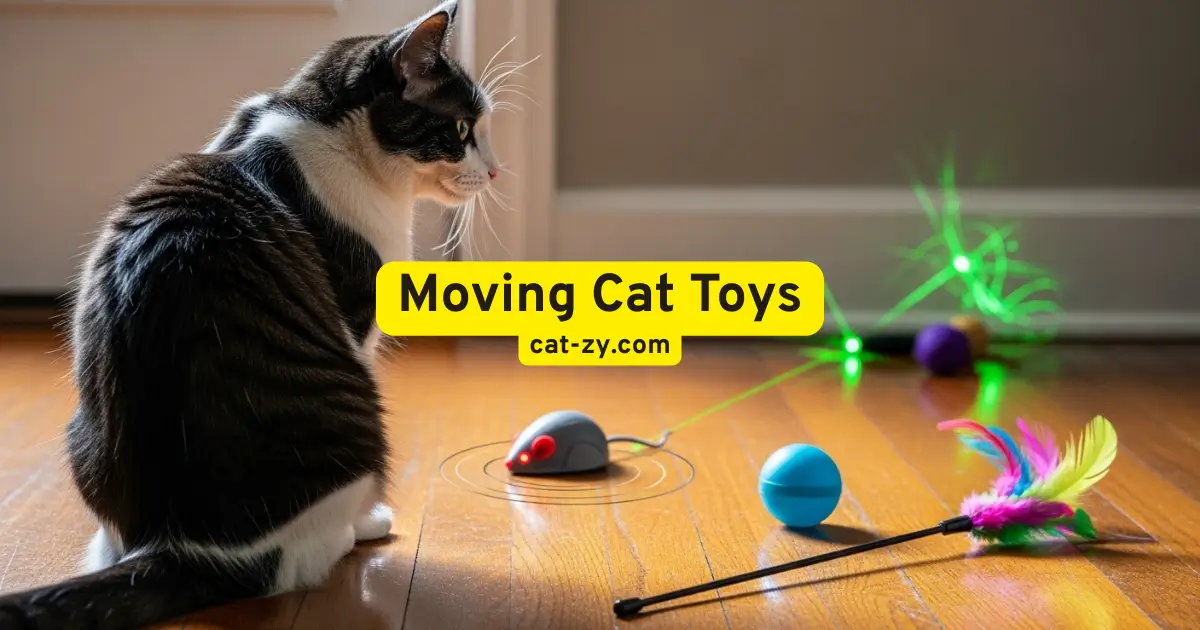 |
| Moving Cat Toys: 5 Shocking Reasons Cats Ignore Them |
Understanding Why Cats Reject Their Interactive Playthings
Every cat owner has experienced this puzzling scenario: you've carefully selected what appears to be the perfect interactive toy for your feline companion, only to watch them completely ignore it. This common frustration leaves many pet parents wondering what went wrong in their toy selection process.
The relationship between cats and their playthings is far more complex than most people realize. Understanding the underlying reasons behind toy rejection can transform your approach to feline entertainment and strengthen the bond you share with your furry friend.
The Ancient Connection Between Play and Predation
Cats have maintained their hunting instincts for thousands of years, even in domestic settings. Ancient Egyptian cats were revered not only as sacred animals but also as skilled hunters who protected grain stores from rodents. This predatory heritage remains deeply embedded in modern house cats, influencing every aspect of their play behavior.
When your cat approaches a toy, they're not simply playing – they're engaging in a complex behavioral sequence that mirrors their ancestral hunting patterns. This explains why some toys captivate their attention while others are completely dismissed.
Fear and Anxiety: The Hidden Barriers to Play
The first major reason cats avoid certain toys relates to fear and anxiety responses. While moving cat toys are designed to stimulate hunting instincts, they can sometimes trigger stress responses instead of playful engagement.
Cats communicate their discomfort through subtle body language cues that owners often miss. Flattened ears, tucked tails, and dilated pupils all indicate that a toy is causing anxiety rather than excitement. Understanding these signals helps create more positive play experiences.
The evolutionary basis for this caution makes perfect sense. In nature, cats are both predators and potential prey, making them naturally wary of unfamiliar moving objects that could represent threats.
Sensory Overload: When Stimulation Becomes Overwhelming
Modern interactive toys often feature multiple stimulating elements – lights, sounds, erratic movements, and textures. However, cats process sensory information differently from humans, and what seems entertaining to us might be overwhelming to them.
Felines possess incredibly sensitive hearing, capable of detecting sounds at frequencies much higher than human perception. Motor noises from automated toys can be distressing rather than engaging, particularly for naturally anxious cats.
The key lies in finding the right balance of stimulation. Some cats thrive with fast-paced, unpredictable movements, while others prefer gentler, more predictable patterns that don't trigger their stress responses.
Ready to discover more insights about feline play preferences? Click here to explore detailed strategies for choosing the perfect moving cat toys for your companion.
Past Experiences Shape Present Preferences
Negative associations from previous encounters can create lasting impressions that affect toy preferences. Cats possess excellent memories, and a single frightening experience with a particular type of toy can lead to long-term avoidance of similar items.
This memory-based rejection often puzzles owners who don't understand why their cat suddenly refuses toys they once enjoyed. The solution involves gradual reintroduction techniques that help rebuild positive associations with interactive play.
Breaking these negative cycles requires patience and understanding. Sometimes, introducing completely different types of toys is more effective than trying to overcome established fears.
Mismatched Hunting Styles and Toy Selection
Perhaps the most overlooked factor in toy rejection is the mismatch between a cat's natural hunting style and the toy's design. Not all cats hunt the same way, and their toy preferences reflect these individual differences.
Some felines are ground hunters who prefer stalking low-moving prey, while others are aerial hunters attracted to flying or elevated targets. Moving cat toys that don't align with these natural preferences will likely be ignored.
Understanding your cat's hunting style requires careful observation of their play patterns and preferences. Do they pounce on things that scurry across the floor, or do they prefer batting at objects that dangle above them?
The Importance of Unpredictability in Toy Design
Wild prey animals move in erratic, unpredictable patterns that challenge a cat's hunting skills. Toys that move in repetitive, predictable ways quickly lose their appeal because they don't trigger the same neural pathways as real hunting scenarios.
The most engaging interactive toys incorporate elements of surprise and variability in their movement patterns. This unpredictability keeps cats mentally stimulated and maintains their interest over longer periods.
Creating Positive Play Experiences
Successfully introducing new toys requires understanding your cat's individual personality and preferences. Start with short play sessions in comfortable environments, allowing your feline to approach the toy at their own pace.
Positive reinforcement plays a crucial role in building enthusiasm for interactive play. Combining toy introduction with treats, praise, or favorite activities helps create positive associations that encourage future engagement.
The timing of play sessions also matters significantly. Cats are naturally most active during dawn and dusk hours, making these ideal times for introducing moving cat toys and interactive play activities.
Adapting to Individual Needs and Preferences
Every cat is unique, with distinct preferences shaped by their personality, experiences, and natural instincts. What captivates one feline might completely bore another, making it essential to approach toy selection with flexibility and patience.
Rotating toys regularly helps maintain novelty and prevents boredom. Even the most engaging interactive toy can lose its appeal if it's constantly available, so strategic toy management keeps play sessions exciting and fresh.
Understanding why cats reject certain toys opens the door to more successful play experiences and stronger bonds between pets and their humans. By respecting feline preferences and working with their natural instincts rather than against them, you can create enriching play environments that satisfy their deepest behavioral needs.

Cat and Pets
Hi! I'm Luna Whiskerstone, the creative voice behind Cat-zy and YellowMimish. I love writing about the charming world of cats—from quirky behaviors to cozy spaces they adore. Here on this Blogger profile, I share summaries and sneak peeks of my latest articles. Let’s celebrate cats together, one paw-some post at a time! Visit the full blog at 👉 www.cat-zy.com


