Is Temptations Cat Food Good for Cats? 5 Shocking Truths | yellowmimish
 |
| Is Temptations Cat Food Good? 5 Shocking Truths | yellowmimish |
Understanding Temptations Cat Treats: What Every Cat Parent Should Know
As a devoted cat parent, you've likely encountered those colorful packages of Temptations treats lining pet store shelves. These popular snacks have become a household name among feline enthusiasts, but many owners find themselves wondering about their true value for their beloved companions.
The question of treat quality has become increasingly important as we learn more about feline nutrition and behavior. Understanding what goes into your cat's favorite snacks can help you make informed decisions that align with your pet's needs and your own preferences as a responsible owner.
The Story Behind Temptations Cat Treats
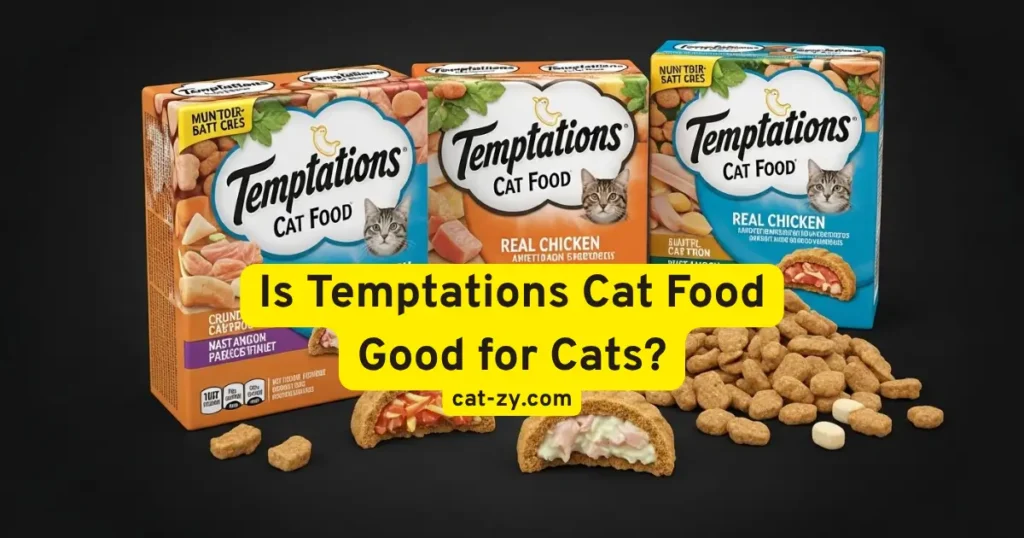
Temptations treats have carved out a significant niche in the pet treat market through their distinctive dual-texture design. Manufactured under the Whiskas brand umbrella, these treats feature a crunchy outer shell paired with a soft, flavorful center that appeals to many cats' textural preferences.
The brand has developed an extensive range of flavors, from classic chicken and seafood varieties to more unique options featuring catnip and other enticing ingredients. This variety allows cat owners to experiment with different tastes to discover what their feline friends prefer most.
Interestingly, the concept of commercial cat treats is relatively modern in feline history. For thousands of years, cats were primarily working animals who supplemented their diets with whatever they could catch, making today's specialized treats a luxury that reflects our evolving relationship with our feline companions.
What Makes Temptations Different: Ingredient Breakdown
When examining any cat treat, understanding the ingredient list becomes crucial for making informed choices. Temptations treats typically feature chicken as a primary protein source, which aligns well with cats' natural carnivorous instincts and preferences.
However, these treats also contain grain-based ingredients like corn and wheat, which serve as binding agents and provide texture. While these ingredients aren't inherently problematic, they represent a departure from what cats would naturally consume in the wild.
The treats also include various flavor enhancers and preservatives designed to maintain freshness and appeal. Some formulations contain artificial colors and flavors, while others focus on more natural ingredient profiles, giving owners options based on their preferences.
Ready to dive deeper into the complete analysis? Click here to explore more about Is Temptations Cat Food Good for Cats and discover comprehensive insights that will help you make the best choice for your feline friend.
The Nutritional Landscape of Cat Treats
Understanding the nutritional profile of any treat helps cat owners make better decisions about their pets' overall dietary balance. Temptations treats contain varying levels of protein, fat, and carbohydrates depending on the specific variety and flavor chosen.
The protein content typically comes from animal sources, which supports cats' biological needs as obligate carnivores. However, the overall nutritional density means these treats should be considered supplements to, rather than replacements for, complete and balanced cat food.
Portion control becomes particularly important with calorie-dense treats like Temptations. The general recommendation suggests keeping treats to no more than 10% of a cat's daily caloric intake, which helps maintain proper nutritional balance while still allowing for enjoyable snacking experiences.
Feline Behavior and Treat Preferences
Cats exhibit fascinating behavioral patterns when it comes to food preferences and treat consumption. Many cats show strong preferences for certain textures, temperatures, and flavors, which can make treat selection both challenging and rewarding for owners.
The dual-texture design of Temptations treats appeals to cats who enjoy variety in their eating experiences. The initial crunch, followed by a softer center, can provide sensory satisfaction that goes beyond simple nutrition.
Some cats develop what appears to be strong preferences for specific treats, leading to concerns about overconsumption. This behavior reflects cats' natural tendency to seek out particularly appealing food sources, a trait that helped their ancestors survive in the wild.
Training and Bonding Opportunities
Beyond simple snacking, treats like Temptations can serve important roles in training and relationship building. Many cat owners successfully use these treats as rewards during training sessions, helping to reinforce positive behaviors and create enjoyable learning experiences.
The act of giving treats can also strengthen the bond between cats and their owners. This ritual creates positive associations and can be particularly valuable for building trust with shy or newly adopted cats.
However, it's important to use treats strategically rather than indiscriminately. Consistent timing and appropriate portions help maintain the treat's value as a special reward while preventing overconsumption issues.
For a complete exploration of how treats fit into your cat's lifestyle, don't miss the full analysis at Is Temptations Cat Food Good for Cats, where you'll find detailed insights about responsible treat feeding and alternative options.
Comparing Temptations to Other Market Options
The cat treat market offers numerous alternatives to Temptations, each with distinct ingredient profiles and nutritional approaches. Some brands focus on limited-ingredient formulations, while others emphasize natural or organic components.
Price considerations often influence treatment selection, with Temptations typically positioned as a mid-range option. However, value extends beyond simple cost comparison to include factors like ingredient quality, cat acceptance, and overall satisfaction.
Many premium brands offer treats with higher protein content and fewer artificial additives, though these often come with correspondingly higher price points. The choice ultimately depends on individual priorities and budget considerations.
Making Informed Decisions About Cat Treats
Choosing appropriate treats for your cat involves balancing multiple factors, including ingredient preferences, nutritional needs, and individual taste preferences. What works well for one cat may not suit another, making experimentation and observation key components of the selection process.
Reading ingredient labels carefully helps identify potential concerns and ensures alignment with your feeding philosophy. Whether you prioritize natural ingredients, specific protein sources, or particular texture profiles, understanding what's in each treat empowers better decision-making.
Remember that treats should complement, not replace, your cat's primary nutrition source. A high-quality, complete, and balanced cat food should form the foundation of your pet's diet, with treats serving as occasional supplements and training tools.
The world of cat treats continues to evolve as manufacturers respond to changing consumer preferences and advancing nutritional understanding. By staying informed about available options and your cat's individual needs, you can make choices that support both enjoyment and overall well-being.
Whether you choose Temptations or explore alternative options, the key lies in thoughtful selection, appropriate portion control, and attentive observation of your cat's response to different treats. This approach ensures that snack time remains a positive experience for both you and your feline companion.

Cat and Pets
Hi! I'm Luna Whiskerstone, the creative voice behind Cat-zy and YellowMimish. I love writing about the charming world of cats—from quirky behaviors to cozy spaces they adore. Here on this Blogger profile, I share summaries and sneak peeks of my latest articles. Let’s celebrate cats together, one paw-some post at a time! Visit the full blog at 👉 www.cat-zy.com


