How to Litter Train a Cat: 5 Amazing Methods | yellowmimish
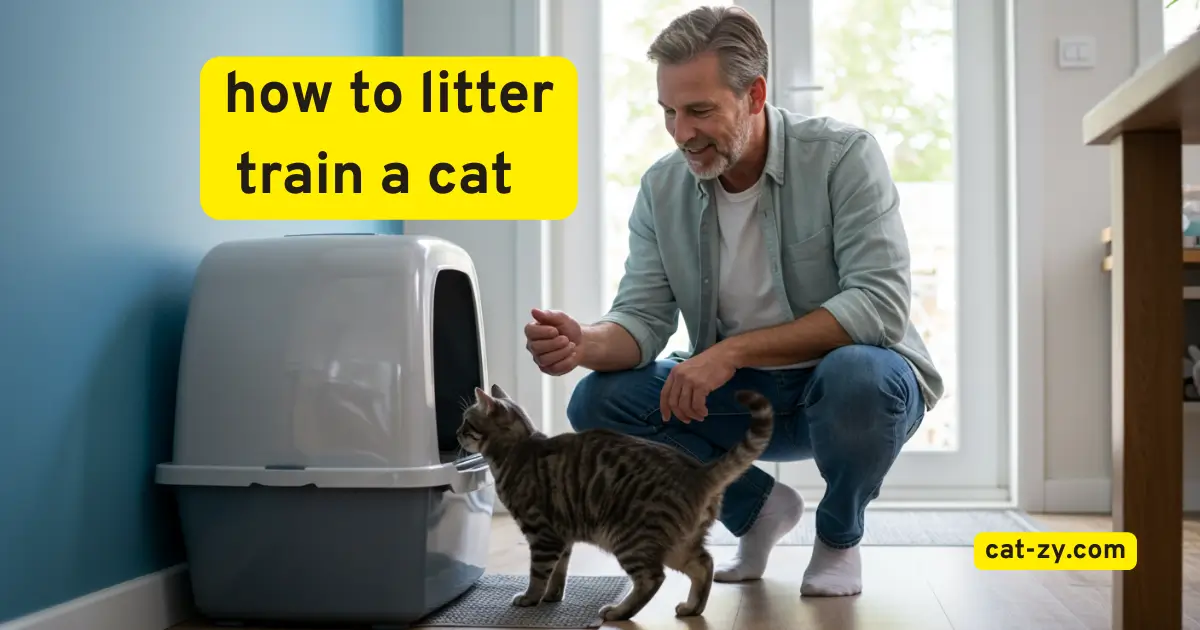 |
| How to Litter Train a Cat: 5 Amazing Methods | yellowmimish |
Understanding Your Feline Friend's Natural Bathroom Habits
Every cat owner faces the same challenge: creating a comfortable bathroom routine for their furry companion. Learning how to litter train a cat becomes much easier when you understand your pet's natural instincts and behaviors.
Cats are fascinating creatures with deeply ingrained habits that date back thousands of years. In ancient Egypt, cats were revered not just for their hunting abilities but also for their incredible cleanliness. This natural inclination toward hygiene makes them ideal candidates for successful litter training.
The Foundation: Understanding Feline Instincts
Your cat's desire to dig and bury waste stems from their wild ancestry. This behavior served as protection from predators who might track them through scent. Today's domestic cats retain this powerful instinct, making litter training a natural process when approached correctly.
Cats prefer loose, sandy textures that remind them of their natural environment. They also rely heavily on scent marking to establish territory and communicate with other cats. Understanding these behaviors helps you create an environment that feels safe and familiar.
The age of your cat plays a significant role in the training process. Kittens typically learn from observing their mothers, while adult cats may need more patience and encouragement to adapt to new routines.
Essential Setup for Success
Creating the perfect litter environment requires careful consideration of several factors. The litter box should be spacious enough for your cat to move comfortably - ideally at least one and a half times their body length.
Location matters tremendously. Cats prefer quiet, private spaces away from their food and water areas. Think of it as creating a personal bathroom - somewhere peaceful where they won't be disturbed or startled.
Ready to discover the complete training methods? Click to learn more about how to litter train a cat with detailed step-by-step instructions.
Choosing the right litter can make or break your training efforts. While preferences vary among individual cats, most respond well to unscented, clumping varieties that provide good texture for digging. Some cats prefer finer textures, while others like coarser materials.
Five Effective Training Approaches
The Gradual Introduction Method
This gentle approach works particularly well for nervous or sensitive cats. Start by placing your cat in the litter box after meals or play sessions, allowing them to explore naturally. Use encouraging tones and let them investigate the litter texture with their paws.
The process typically takes one to two weeks, with gradual increases in freedom around the house as confidence builds. Patience remains key during this method, as rushing can create negative associations.
The Confined Space Technique
Perfect for new cats or kittens, this method involves creating a small, comfortable area containing all necessities. Choose a quiet room with food, water, and the litter box positioned appropriately apart from each other.
As your cat becomes reliable in this space, gradually expand their territory room by room. This controlled expansion helps prevent accidents while building confidence.
Positive Reinforcement Strategy
Cats respond wonderfully to positive encouragement. When your pet uses the litter box correctly, offer immediate praise, gentle petting, or small treats. The timing of rewards is crucial - immediate recognition creates strong behavioral connections.
Consistency in your response helps reinforce the desired behavior. Never punish accidents, as this creates fear and confusion that can derail progress.
Scent Transfer Technique
This clever method uses your cat's natural scent preferences to encourage litter box use. Gently rub a soft cloth on your cat's cheeks or chin area, then transfer this scent to the litter box edges.
This technique proves especially helpful for cats who seem hesitant about their litter box or prefer other locations in the house.
Multiple Box Strategy
For larger homes or multiple cat households, placing several litter boxes in different locations increases success rates. The general rule suggests one box per cat plus one additional box.
Strategic placement in quiet, accessible areas gives your cat options and reduces territorial stress. As training progresses, you can gradually reduce the number of boxes if desired.
Overcoming Common Challenges
Even well-planned training sometimes encounters obstacles. Accidents outside the litter box require calm, thorough cleaning without punishment. Use enzyme-based cleaners to eliminate odor traces that might attract repeat incidents.
Some cats develop aversions to their litter box due to cleanliness issues, uncomfortable litter types, or negative experiences. Addressing these concerns promptly prevents long-term problems.
Want to troubleshoot specific issues? Find comprehensive solutions for how to litter train a cat, including expert tips for challenging situations.
Changes in routine, new environments, or stress can cause previously trained cats to regress. Patience and consistency help restore good habits during these temporary setbacks.
Maintaining Long-Term Success
Successful litter training extends beyond the initial learning period. Daily maintenance includes removing waste promptly and keeping the box clean and odor-free. Most cats prefer their litter boxes scooped daily, with complete litter changes weekly.
As your cat ages or household dynamics change, be prepared to adjust your approach. Senior cats might need lower-sided boxes, while new additions to the family could require additional boxes or different placement strategies.
Creating Lasting Habits
The key to mastering how to litter train a cat lies in understanding that every cat is unique. Some learn quickly within days, while others need weeks of patient guidance. Consistency in your approach, combined with respect for your cat's individual personality, creates the best foundation for success.
Remember that cats are naturally clean animals who want to succeed. By working with their instincts rather than against them, you'll find that litter training becomes a manageable and rewarding experience for both of you.
Cultural traditions around the world have long celebrated cats' cleanliness, with many societies viewing a well-trained cat as a sign of a harmonious household. This ancient wisdom reminds us that successful training benefits everyone in the home.
With patience, understanding, and the right techniques, you'll soon enjoy the convenience and cleanliness that comes with a properly trained feline companion.

Cat and Pets
Hi! I'm Luna Whiskerstone, the creative voice behind Cat-zy and YellowMimish. I love writing about the charming world of cats—from quirky behaviors to cozy spaces they adore. Here on this Blogger profile, I share summaries and sneak peeks of my latest articles. Let’s celebrate cats together, one paw-some post at a time! Visit the full blog at 👉 www.cat-zy.com


