Homemade Cat Food: 5 Amazing Budget Recipes | yellowmimish
 |
| Homemade Cat Food: 5 Amazing Budget Recipes | yellowmimish |
Transform Your Kitchen Into a Feline Paradise
Every cat parent knows that moment when their furry companion turns their nose up at yet another expensive commercial food option. The frustration is real, and so is the solution that's been hiding in your kitchen all along.
Creating delicious meals for your beloved feline doesn't require a culinary degree or a hefty budget. With simple ingredients and a dash of love, you can craft meals that will have your cat purring with satisfaction.
Why Your Cat Deserves Kitchen-Fresh Meals
The beauty of preparing meals at home lies in the complete control you gain over every ingredient that touches your cat's bowl. Unlike mysterious commercial formulations, you know exactly what goes into each serving.
Budget-conscious pet parents often discover that kitchen preparation costs significantly less than premium store-bought options. Buying ingredients in bulk and planning weekly meal prep sessions creates substantial savings over time.
Your feline friend's unique preferences and dietary quirks become manageable when you're the chef. Some cats crave variety, while others prefer consistency. Kitchen preparation allows you to cater to these individual personalities perfectly.
Throughout history, cats have been remarkably adaptable eaters, originally thriving on fresh prey in the wild. This natural instinct for fresh food explains why many cats show increased enthusiasm for freshly prepared meals over processed alternatives.
Ready to discover amazing recipes that will revolutionize mealtime? Click here to explore more homemade cat food inspiration and transform your cooking routine.
Essential Kitchen Wisdom for Feline Cooking
Understanding your cat's carnivorous nature forms the foundation of successful meal preparation. These obligate carnivores require animal-based proteins as their primary nutritional source, making meat the star ingredient in every recipe.
Quality protein sources like chicken, turkey, beef, and fish should dominate your shopping list. These ingredients provide the building blocks your cat needs for strong muscles and sustained energy throughout their daily adventures.
Certain ingredients pose serious risks and should never enter your cat's food bowl. Onions, garlic, chocolate, grapes, and raisins can cause harmful reactions. Always research new ingredients before incorporating them into recipes.
The Art of Feline Meal Planning
Successful meal preparation starts with understanding portion sizes and frequency. Most adult cats thrive on two meals daily, with portion sizes adjusted based on their activity level and body condition.
Creating a weekly meal plan streamlines your shopping and preparation process. Batch cooking and proper storage techniques ensure fresh meals are always ready when hunger strikes.
Five Irresistible Recipes Your Cat Will Adore
Classic Chicken and Rice Comfort Bowl
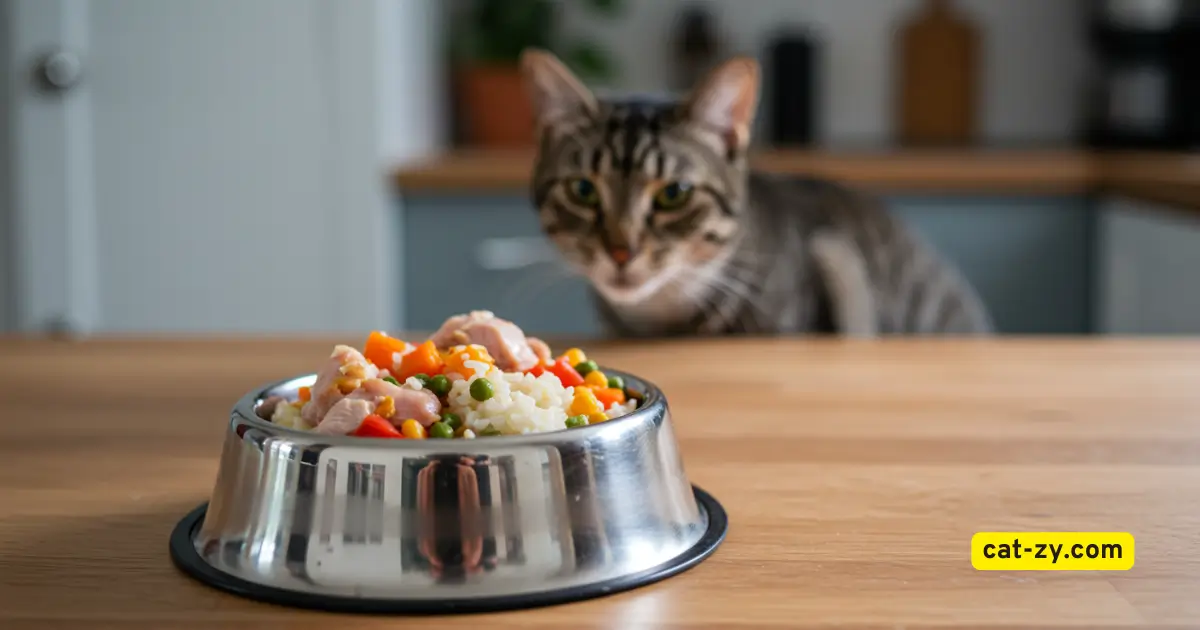
This timeless combination never fails to please even the pickiest eaters. Fresh chicken breast provides lean protein, while rice offers gentle carbohydrates for sustained energy.
Cook one pound of chicken thoroughly, then dice it into small, manageable pieces. Prepare one cup of rice according to package directions, ensuring it's fluffy and well-cooked.
Combine the cooled chicken and rice with a quarter cup of finely chopped vegetables like carrots or green beans. This mixture stores beautifully in the refrigerator for up to four days.
Tuna and Egg Protein Paradise
Budget-friendly ingredients create this protein-packed favorite that cats find absolutely irresistible. The combination of tuna and eggs delivers complete amino acid profiles.
Drain one can of water-packed tuna completely, then flake into small pieces. Hard-boil two eggs, cool them thoroughly, then chop into bite-sized portions.
Mix these protein powerhouses with a tablespoon of olive oil for healthy fats. This recipe provides several servings and costs under three dollars to prepare.
Turkey and Vegetable Garden Medley
Ground turkey creates the perfect base for this nutrient-dense recipe that introduces variety into your cat's routine. The addition of vegetables provides fiber and essential vitamins.
Brown one pound of ground turkey in a large skillet, breaking it into small, cat-friendly pieces. Add diced carrots and green beans, cooking until tender.
Incorporate cooked brown rice for complex carbohydrates that provide lasting energy. This hearty mixture freezes beautifully for future convenience.
Cultural note: Ancient Egyptians, who first domesticated cats over 4,000 years ago, often shared their own meals with their feline companions, recognizing the bond that food creates between humans and cats.
Looking for more creative recipe ideas and cooking techniques? Discover additional homemade cat food recipes that will keep your kitchen adventures exciting and your cat satisfied.
Beef and Liver Powerhouse
This protein-rich combination appeals to cats' natural preferences for organ meats. Liver provides concentrated nutrition that cats instinctively crave.
Combine one pound of ground beef with half a cup of chopped liver, mixing thoroughly. Add one beaten egg and a teaspoon of fish oil for omega-3 fatty acids.
This mixture can be formed into small patties or served as a chunky mixture. The rich flavors satisfy even the most discerning feline palates.
Salmon and Sweet Potato Elegance
This gourmet combination brings restaurant-quality flavors to your cat's dining experience. Salmon provides omega-3 fatty acids for a lustrous coat.
Bake one medium sweet potato until tender, then mash thoroughly. Mix with one can of salmon, ensuring all bones are completely removed.
Add a tablespoon of olive oil to enhance the texture and provide additional healthy fats. This recipe creates a smooth, appealing texture that many cats prefer.
Storage and Serving Success Strategies
Proper storage maintains freshness and prevents spoilage in your carefully prepared meals. Airtight containers in the refrigerator keep homemade cat food fresh for three to four days.
Freezing portions in single-serving containers creates convenient grab-and-go options. Label each container with the recipe name and preparation date for easy identification.
Always serve meals at room temperature or slightly warmed. Cold food straight from the refrigerator often lacks the appealing aromas that entice cats to eat enthusiastically.
Making the Transition Smooth and Successful
Gradual introduction prevents digestive upset and allows your cat to adjust to new flavors and textures. Start by mixing small amounts of homemade food with their current diet.
Increase the homemade portion slowly over seven to ten days, monitoring your cat's response throughout the transition period. Some cats adapt quickly, while others prefer a more gradual approach.
Observe your cat's eating habits, energy levels, and overall satisfaction during this transition period. These observations help you fine-tune recipes and serving sizes for optimal results.
Creating delicious, budget-friendly meals for your feline companion transforms both your cooking routine and your cat's dining experience. With these simple recipes and techniques, you're equipped to provide restaurant-quality meals that celebrate the special bond between you and your beloved pet.
The journey toward homemade cat food preparation opens up endless possibilities for creativity and customization, ensuring your cat enjoys variety, quality, and the love that goes into every carefully crafted meal.

Cat and Pets
Hi! I'm Luna Whiskerstone, the creative voice behind Cat-zy and YellowMimish. I love writing about the charming world of cats—from quirky behaviors to cozy spaces they adore. Here on this Blogger profile, I share summaries and sneak peeks of my latest articles. Let’s celebrate cats together, one paw-some post at a time! Visit the full blog at 👉 www.cat-zy.com


