Do Cats Groom Each Other? 5 Amazing Bond Secrets | yellowmimish
 |
| Do Cats Groom Each Other? 5 Amazing Bond Secrets | yellowmimish |
Understanding Feline Social Connections Through Grooming
Cats are fascinating creatures with complex social behaviors that often leave us wondering about their mysterious ways. One of the most intriguing aspects of feline behavior is their tendency to groom one another, creating beautiful moments of connection that reveal the depth of their relationships.
The Foundation of Feline Social Behavior
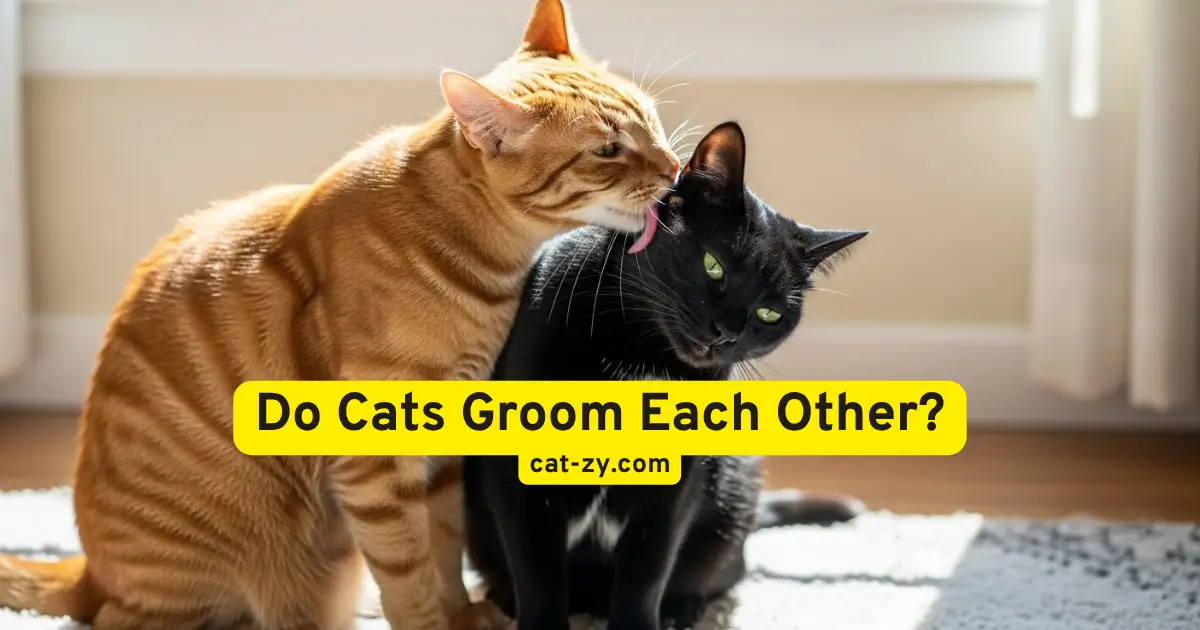
Do cats groom each other is a question that opens the door to understanding the sophisticated social world of our feline companions. This behavior, known as allogrooming, represents far more than simple hygiene maintenance.
When cats engage in mutual grooming, they're participating in an ancient ritual that dates back to their wild ancestors. This behavior served as a survival mechanism, helping cats stay clean while building alliances that could mean the difference between life and death in the wild.
Allogrooming involves cats using their tongues to clean areas that their grooming partners cannot easily reach themselves. The head, neck, and upper back regions are particularly common targets for this social grooming behavior.
The Emotional Language of Mutual Grooming
The act of grooming another cat requires tremendous trust and vulnerability. When a cat allows another to groom them, they're essentially saying, "I trust you enough to let my guard down completely."
This vulnerability creates a powerful bonding experience. The cat being groomed must remain still and relaxed, while the grooming cat focuses entirely on caring for their companion. This mutual exchange builds emotional connections that can last a lifetime.
Do cats groom each other to show affection? Absolutely. The gentle licking and nibbling motions release feel-good hormones that create positive associations between the cats involved.
Building Relationships Through Grooming
Mother-Kitten Connections
The grooming relationship typically begins in kittenhood. Mother cats spend considerable time grooming their offspring, teaching them about social interaction while keeping them clean and comfortable.
This early grooming experience shapes how kittens will interact with other cats throughout their lives. Kittens who receive adequate maternal grooming tend to be more social and better equipped to form grooming relationships with other cats.
Sibling Bonds
Littermates often continue grooming each other well into adulthood. These sibling relationships demonstrate how early social experiences create lasting bonds between cats.
The grooming patterns established between siblings can persist even when cats are separated and later reunited. This suggests that the emotional connections formed through grooming create lasting memories and recognition.
Adult Cat Relationships
Adult cats can also develop new grooming relationships, though this process requires patience and the right circumstances. When introducing new cats, grooming relationships often indicate successful integration into the household.
The development of grooming bonds between previously unacquainted cats represents a significant milestone in their relationship. It shows that they've moved beyond mere tolerance to genuine affection and trust.
The Social Hierarchy of Grooming
Grooming behaviors often reflect the social dynamics within a group of cats. Dominant cats may initiate grooming sessions more frequently, while submissive cats might seek out grooming as a way to maintain peaceful relationships.
Understanding these dynamics helps cat owners recognize the social structure within their multi-cat households. The patterns of who grooms whom can reveal which cats hold leadership positions and which prefer to follow.
Do cats groom each other based on hierarchy? Often, yes. However, the relationship between dominance and grooming isn't always straightforward, as grooming can also serve as a peace-making gesture.
Creating the Perfect Environment for Grooming
Cat owners can encourage positive grooming relationships by creating a calm, stress-free environment. Providing multiple resources like food stations, water bowls, and resting areas reduces competition and tension between cats.
Gradual introductions between new cats allow relationships to develop naturally. Rushing this process can prevent the formation of grooming bonds and may create lasting negative associations.
The physical environment also plays a crucial role. Cats prefer quiet, comfortable spaces for grooming activities. Providing cozy areas where cats can relax together encourages these bonding behaviors.
Recognizing Healthy Grooming Patterns
Normal grooming sessions between cats appear relaxed and peaceful. Both cats typically seem content, with the groomed cat often purring or showing other signs of enjoyment.
The frequency and intensity of grooming sessions can vary significantly between different pairs of cats. Some cats engage in brief grooming sessions, while others spend extended periods caring for each other.
Do cats groom each other in specific locations? Yes, most social grooming focuses on the head, neck, and shoulder areas that cats cannot easily reach themselves.
The Cultural Significance of Feline Grooming
Throughout history, humans have observed and admired the grooming behaviors of cats. Ancient Egyptian art often depicted cats grooming each other, recognizing this behavior as a sign of harmony and social connection.
In many cultures, witnessing cats grooming each other is considered a sign of peace and contentment within the household. This observation reflects our deep appreciation for the gentle, caring nature of these interactions.
Fostering Positive Relationships
Understanding the importance of grooming in feline relationships helps cat owners create better environments for their pets. Recognizing the signs of developing grooming bonds allows owners to support these relationships appropriately.
Patience remains key when helping cats develop grooming relationships. These bonds cannot be forced but must develop naturally through positive experiences and mutual trust.
The reward of witnessing cats engage in mutual grooming makes the effort worthwhile. These moments of connection remind us of the complex emotional lives of our feline companions and the importance of social bonds in their world.
By appreciating and supporting these natural behaviors, we can help our cats live more fulfilling social lives while strengthening the bonds between all members of our feline families.

Cat and Pets
Hi! I'm Luna Whiskerstone, the creative voice behind Cat-zy and YellowMimish. I love writing about the charming world of cats—from quirky behaviors to cozy spaces they adore. Here on this Blogger profile, I share summaries and sneak peeks of my latest articles. Let’s celebrate cats together, one paw-some post at a time! Visit the full blog at 👉 www.cat-zy.com


