Why Do Cats Groom Each Other? 5 Amazing Secrets | yellowmimish
 |
| Why Do Cats Groom Each Other? 5 Amazing Secrets | yellowmimish |
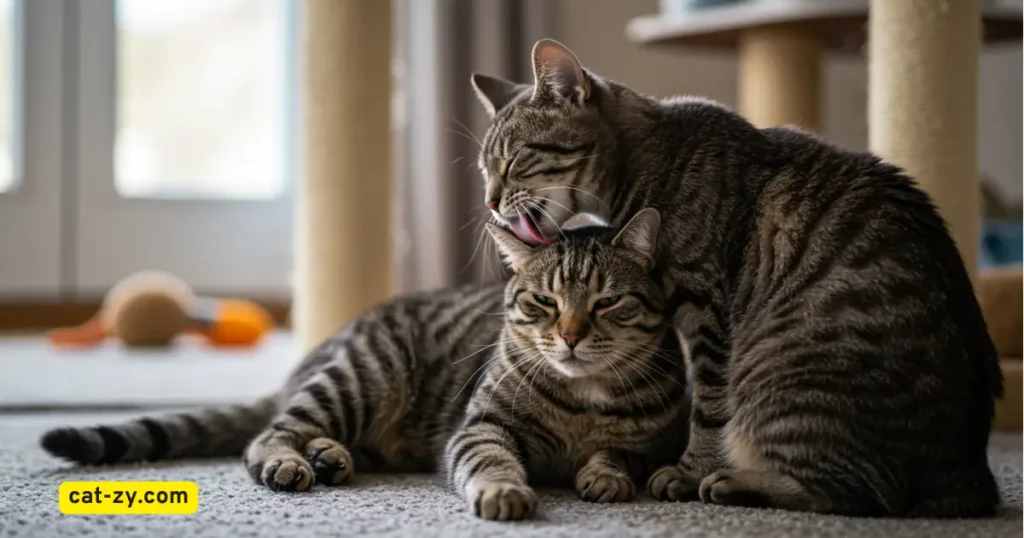
Watching your feline companions engage in mutual grooming sessions reveals one of the most heartwarming aspects of cat behavior. This intimate ritual goes far beyond simple cleanliness, representing a complex social language that strengthens relationships and builds trust within cat communities.
The Social Foundation of Feline Grooming
Cats are naturally social creatures, despite their reputation for independence. When we observe cats in their natural environment, mutual grooming emerges as a cornerstone of their social structure. This behavior, scientifically known as allogrooming, serves multiple purposes that extend well into the emotional and psychological realm of feline relationships.
The act of one cat grooming another creates an invisible bond that speaks volumes about their relationship status. Cats who engage in this behavior are essentially declaring their acceptance and trust of one another, creating a peaceful coexistence that benefits the entire household.
Building Trust Through Gentle Touch
The foundation of mutual grooming lies in trust building. When cats allow another feline to groom them, they're displaying vulnerability and acceptance. This behavior typically develops early in kittenhood when mother cats groom their offspring, establishing the pattern for future social interactions.
Adult cats carry this learned behavior into their relationships with other cats, using it as a way to communicate safety and belonging. The gentle, rhythmic motion of grooming creates a calming environment that reduces tension and promotes harmony within multi-cat households.
Scent Sharing and Group Identity
One of the most fascinating aspects of feline grooming involves scent exchange. Cats possess scent glands throughout their bodies, and when they groom each other, they're essentially creating a shared family scent. This communal fragrance helps establish group identity and territorial boundaries.
Historically, wild cat colonies have used this scent-sharing mechanism to identify members of their social group and distinguish between friend and foe. Modern domestic cats retain this ancient instinct, using mutual grooming to create a harmonious living environment.
The process of scent sharing through grooming also helps cats feel more secure in their environment. When cats smell familiar on each other, it reduces anxiety and creates a sense of belonging that's essential for their emotional well-being.
Stress Relief and Emotional Comfort
Mutual grooming serves as a natural stress reliever for cats. The physical act of grooming releases calming hormones that help reduce anxiety and promote relaxation. This biological response explains why cats often engage in grooming sessions during times of change or uncertainty.
Learn more about the amazing world of feline behavior and understand why do cats groom each other in our comprehensive guide!
The rhythmic nature of grooming creates a meditative state that benefits both the groomer and the recipient. This shared experience strengthens their emotional connection while providing comfort during stressful situations.
Establishing Social Hierarchy
Grooming behavior also plays a crucial role in establishing and maintaining social order within cat groups. Dominant cats often initiate grooming sessions with subordinate cats, using this behavior to reinforce their position within the hierarchy.
However, this hierarchical aspect doesn't diminish the genuine affection displayed during grooming sessions. Instead, it demonstrates how cats use gentle, nurturing behaviors to maintain peaceful relationships while respecting natural social structures.
Communication Without Words
Cats communicate primarily through body language and scent, making grooming an essential part of their communication toolkit. The location where cats choose to groom each other sends specific messages about their relationship and emotional state.
Face and head grooming typically indicates deep trust and affection, while grooming of other body areas may serve more practical purposes. Understanding these subtle communication patterns helps cat owners better appreciate the complex social dynamics at play in their homes.
Practical Benefits of Mutual Grooming
Beyond the emotional and social aspects, mutual grooming serves practical purposes that benefit both cats involved. Cats can reach areas during grooming sessions that would be difficult or impossible to clean alone, ensuring comprehensive hygiene maintenance.
This cooperative approach to cleanliness reflects the collaborative nature of cat communities. By working together to maintain grooming standards, cats ensure that all group members remain clean and comfortable.
In ancient Egyptian culture, cats were revered not only for their hunting abilities but also for their meticulous grooming habits, which were seen as a symbol of divine cleanliness and social harmony.
Recognizing Grooming Patterns
Observing the grooming patterns in your cat household can provide valuable insights into their relationships and emotional states. Cats who groom each other regularly typically enjoy stable, trusting relationships, while changes in grooming frequency might indicate shifts in their social dynamics.
The timing of grooming sessions often correlates with periods of relaxation and contentment. Many cats engage in mutual grooming during quiet evening hours or after meals, when they feel most secure and comfortable.
Creating a Grooming-Friendly Environment
Cat owners can encourage positive grooming behaviors by creating environments that promote relaxation and security. Providing comfortable resting areas, maintaining consistent routines, and minimizing stressful disruptions helps cats feel more inclined to engage in natural grooming behaviors.
Understanding why do cats groom each other enhances our appreciation for these remarkable creatures and their sophisticated social systems. This behavior represents millions of years of evolutionary development, resulting in a beautiful display of trust, affection, and community cooperation that continues to fascinate cat lovers worldwide.
The next time you witness your cats engaged in mutual grooming, remember that you're observing one of nature's most elegant examples of social bonding and communication in action.

Cat and Pets
Hi! I'm Luna Whiskerstone, the creative voice behind Cat-zy and YellowMimish. I love writing about the charming world of cats—from quirky behaviors to cozy spaces they adore. Here on this Blogger profile, I share summaries and sneak peeks of my latest articles. Let’s celebrate cats together, one paw-some post at a time! Visit the full blog at 👉 www.cat-zy.com


