Types of Tabby Cats: 5 Amazing Patterns Revealed | yellowmimish
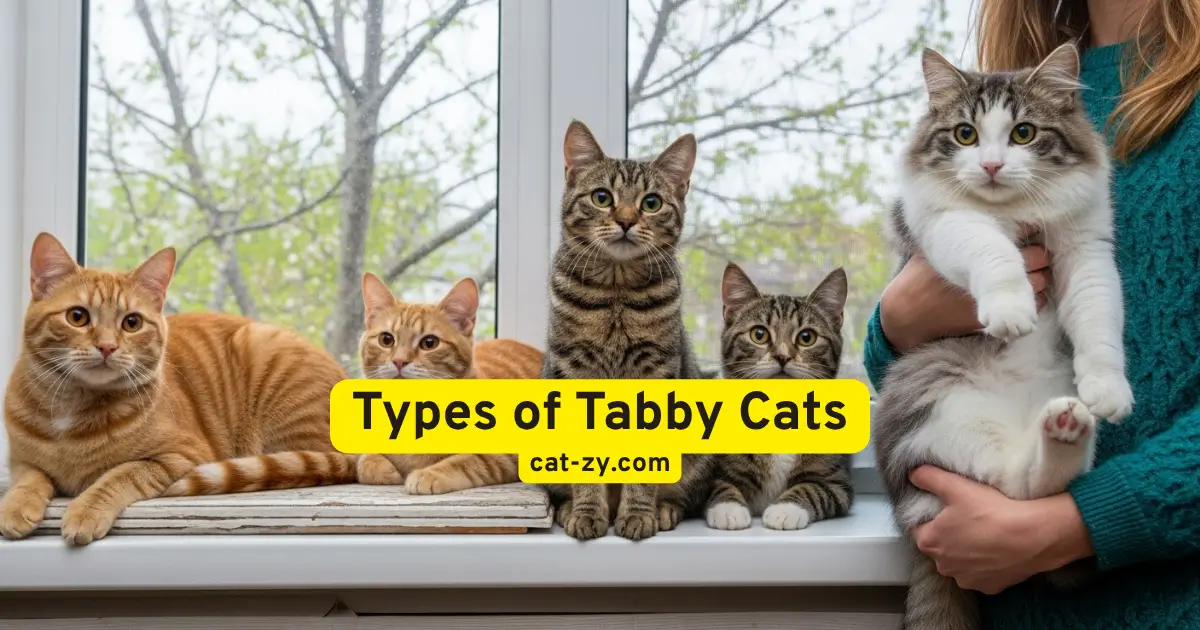 |
| Types of Tabby Cats: 5 Amazing Patterns Revealed | yellowmimish |
Understanding the Fascinating World of Feline Coat Patterns
Cat enthusiasts around the world have long been captivated by the stunning variety of coat patterns that grace our feline companions. Among these, the tabby pattern stands out as one of the most beloved and recognizable designs in the cat world.
The beauty of tabby cats lies not just in their appearance but in the rich genetic tapestry that creates these magnificent patterns. Each tabby cat carries a unique combination of genes that results in their distinctive markings, making every individual a work of natural art.
H2: What Creates These Mesmerizing Coat Designs
The science behind tabby patterns is truly fascinating. The agouti gene plays a central role in determining how pigments are distributed throughout each hair strand. This genetic mechanism works in harmony with other genes to create the spectacular variety we see in types of tabby cats today.
Understanding these genetic foundations helps us appreciate why no two tabby cats look exactly alike. The interplay of multiple genes creates endless variations in color intensity, pattern distribution, and overall appearance.
Historically, tabby patterns have been documented in ancient Egyptian art, where cats were revered as sacred animals. These early depictions show that tabby markings have been cherished by humans for thousands of years.
Ready to explore the specific patterns that make each tabby unique? Types of tabby cats come in several distinct varieties, each with its own charm.
H2: The Classic Bullseye Pattern - A Timeless Beauty
The classic tabby pattern represents one of the most recognizable designs in the feline world. These cats display distinctive swirling patterns on their sides that resemble bullseyes or marble cake designs. The classic tabby also features the iconic "M" marking on its forehead, a trait that has inspired countless legends and folklore.
Classic tabbies often exhibit broader, more flowing patterns compared to other tabby varieties. Their markings tend to be bold and dramatic, creating a striking appearance that commands attention. The pattern typically includes rings around the legs and tail, adding to their overall visual appeal.
H3: Breeds That Showcase Classic Patterns
Many popular cat breeds display the classic tabby pattern beautifully. The British Shorthair, with its robust build and dense coat, showcases these patterns magnificently. Maine Coons, known for their impressive size and luxurious fur, also commonly display classic tabby markings.
American Shorthairs represent another breed where classic tabby patterns are particularly striking. These cats demonstrate how the same genetic pattern can appear differently across various breed characteristics.
H2: Striped Elegance - The Mackerel Tabby
Mackerel tabbies present a completely different aesthetic appeal with their narrow, parallel stripes. These cats appear to wear nature's own pinstripe suit, with markings that run vertically down their sides like fish bones - hence the name "mackerel."
The precision of mackerel tabby stripes is remarkable. These patterns can be continuous or broken, but they always maintain their distinctive narrow appearance. The stripes extend from the spine down the sides, creating an elegant linear design that's instantly recognizable.
H3: The Personality Behind the Stripes
Mackerel tabbies are often described as energetic and playful companions. Their active nature seems to match their dynamic stripe patterns, making them engaging pets for families who enjoy interactive play.
H2: Spotted Wonders - Nature's Domestic Leopards
Spotted tabbies bring exotic appeal to domestic cat ownership. These felines display distinct spots rather than stripes or swirls, creating a leopard-like appearance that's both wild and endearing. The spots can vary in size and intensity, with some cats displaying large, bold spots while others have smaller, more delicate markings.
The distribution of spots on these cats appears random yet balanced, creating a natural harmony that's pleasing to the eye. Unlike their wild cousins, spotted domestic cats maintain all the affectionate qualities we love in house cats while sporting these stunning patterns.
H3: Breeds Famous for Spotted Patterns
The Ocicat stands out as a breed specifically developed to showcase spotted patterns. These cats were bred to resemble wild cats while maintaining domestic temperaments. American Shorthairs also commonly display spotted tabby patterns, demonstrating the versatility of this genetic trait.
H2: The Subtle Beauty of Ticked Tabbies
Ticked tabbies represent perhaps the most understated yet sophisticated of all types of tabby cats. These cats display agouti hairs where each individual hair is banded with different colors, creating a salt-and-pepper or grizzled appearance.
The ticked pattern is most visible on the legs, face, and belly areas. At first glance, ticked tabbies might appear to have solid coats, but closer inspection reveals the beautiful complexity of their hair coloration.
H3: The Abyssinian Connection
The Abyssinian breed is most famous for displaying ticked tabby patterns. These cats have been selectively bred to enhance this subtle yet beautiful coat type. Somali cats, which are essentially long-haired Abyssinians, also showcase magnificent ticked patterns.
H2: Appreciating Tabby Diversity in Modern Cat Culture
Today's cat lovers have developed a deep appreciation for the diversity found in types of tabby cats. Social media has played a significant role in celebrating these different patterns, with cat enthusiasts sharing photos and stories of their beloved tabbies worldwide.
The popularity of tabby cats spans across cultures and continents. In many societies, the "M" marking on tabby foreheads has inspired legends about cats being blessed by religious figures or marked by divine intervention.
H3: Building Stronger Bonds Through Pattern Recognition
Understanding your cat's specific tabby pattern can deepen your appreciation for their unique qualities. Each pattern type often correlates with certain personality traits and behavioral tendencies, though individual cats always maintain their own distinct personalities.
Recognizing these patterns also helps in understanding breeding practices and genetic inheritance. Cat enthusiasts who learn about types of tabby cats often develop a greater appreciation for the complexity and beauty of feline genetics.
H2: Celebrating Individual Beauty
Every tabby cat represents a unique expression of genetic artistry. Whether your feline companion displays bold classic swirls, elegant mackerel stripes, exotic spots, or subtle ticking, they carry the legacy of thousands of years of feline evolution.
The beauty of tabby patterns lies not just in their visual appeal but in their representation of the incredible diversity within the domestic cat population. Each pattern tells a story of genetic heritage and natural selection that has resulted in the magnificent companions we cherish today.
Understanding and appreciating these different patterns enriches our relationship with our feline friends, helping us see them not just as pets but as living examples of nature's incredible creativity and complexity.

Cat and Pets
Hi! I'm Luna Whiskerstone, the creative voice behind Cat-zy and YellowMimish. I love writing about the charming world of cats—from quirky behaviors to cozy spaces they adore. Here on this Blogger profile, I share summaries and sneak peeks of my latest articles. Let’s celebrate cats together, one paw-some post at a time! Visit the full blog at 👉 www.cat-zy.com


