Raw Food for Cats: 5 Amazing Benefits Every Owner Must Know | yellowmimish
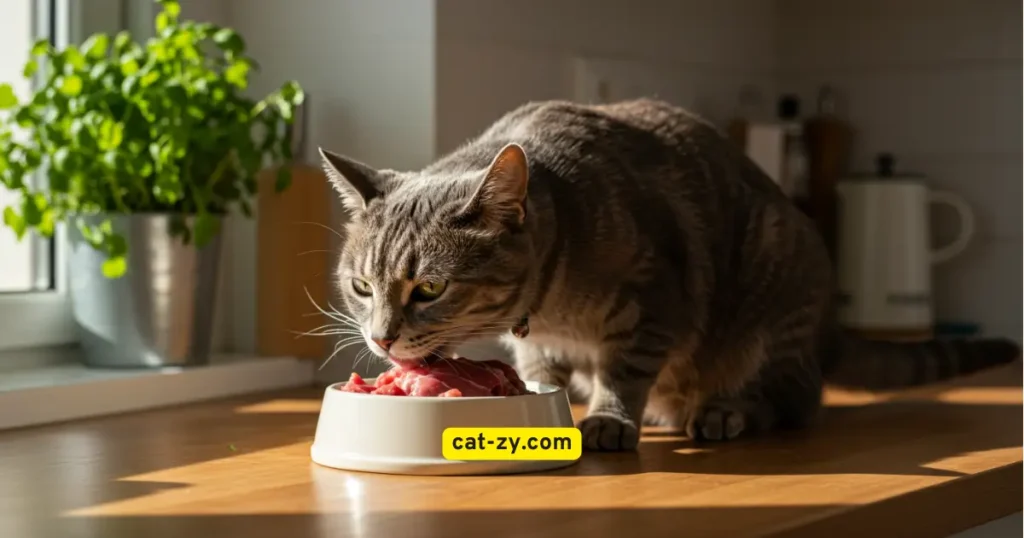 |
| Raw Food for Cats: 5 Amazing Benefits Every Owner Must Know | yellowmimish |
Understanding your feline companion's natural instincts and dietary preferences can transform your relationship with your cat. When we look at how cats have evolved over thousands of years, their hunting behaviors and food preferences tell a fascinating story about what truly satisfies them.
Cats have maintained their predatory instincts remarkably well throughout domestication. Unlike dogs, who have adapted significantly to human diets, our feline friends retain many of the same nutritional preferences as their wild ancestors. This connection to their natural behavior patterns offers insights into feeding approaches that align with their instincts.
The Wild Origins of Feline Feeding Behavior
In ancient Egypt, cats were revered not just for their mystical qualities, but for their incredible hunting prowess. These sacred animals maintained their natural feeding patterns even while living alongside humans, choosing to hunt and consume their prey in ways that remained unchanged for millennia.
Wild cats spend considerable time stalking, catching, and consuming their prey in specific ways. They naturally consume muscle meat, organs, and even bones, following patterns that have been refined through evolution. This behavioral understanding helps us appreciate why certain feeding approaches resonate so strongly with domestic cats.
Modern house cats display many of these same instinctual behaviors, even when provided with commercial food options. They may play with their food, prefer eating in quiet locations, or show preferences for certain textures and temperatures that mirror their ancestral feeding patterns.
Ready to learn more about natural feline nutrition? Discover comprehensive insights about raw food for cats and transform your understanding of feline feeding.
Understanding Natural Feline Feeding Patterns
Cats in their natural environment follow very specific eating schedules and preferences. They typically consume multiple small meals throughout the day, rather than one or two large portions. This pattern reflects their natural hunting success rate and energy expenditure.
The texture preferences of cats also stem from their evolutionary background. They naturally gravitate toward foods that require some chewing and manipulation, which engages their natural feeding behaviors. This engagement provides mental stimulation and satisfies deep-seated instinctual needs.
Observing your cat's natural preferences can reveal fascinating insights into their personality and comfort levels. Some cats prefer to eat alone, reflecting the solitary hunting nature of their wild cousins, while others may feel more secure eating near their human companions.
The Behavioral Benefits of Natural Feeding
When cats engage with food that requires natural eating behaviors, they often display increased satisfaction and contentment. This engagement can reduce stress-related behaviors and provide important mental stimulation that indoor cats particularly benefit from.
The act of working with their food in natural ways can help cats maintain important jaw strength and coordination. These physical benefits support their overall well-being and can contribute to better sleep patterns and reduced anxiety.
Many cat owners notice positive changes in their pets' overall demeanor when their natural feeding instincts are better satisfied. Cats may become more playful, show increased curiosity, and demonstrate stronger bonds with their human families.
Creating an Environment That Supports Natural Behaviors
Setting up feeding areas that accommodate natural feline behaviors can significantly enhance your cat's daily experience. Consider locations that offer some privacy and security, mimicking the quiet spots where wild cats would typically consume their meals.
The timing of meals can also reflect natural patterns. Cats are naturally most active during dawn and dusk hours, making these ideal times for engaging feeding experiences. Aligning feeding schedules with these natural activity periods can improve satisfaction and reduce behavioral issues.
Want to explore more about feline feeding behaviors? Click here to read detailed information about raw food for cats and discover what resonates with your feline friend.
Social Aspects of Feline Feeding
While cats are often considered solitary creatures, their feeding behaviors can actually be quite social in domestic settings. Understanding how your individual cat prefers to eat can strengthen your bond and improve their overall comfort in your home.
Some cats enjoy having their humans nearby during meals, seeing this as a sign of safety and security. Others prefer complete solitude, and respecting this preference shows understanding of their natural instincts and individual personality.
The consistency of feeding routines also matters greatly to cats. They thrive on predictable patterns that allow them to anticipate and prepare for meals, reducing stress and creating positive associations with eating times.
Observing Your Cat's Individual Preferences
Every cat develops unique preferences based on their personality, past experiences, and individual comfort levels. Taking time to observe these preferences can guide you toward feeding approaches that truly resonate with your specific feline companion.
Notice how your cat approaches their current food, how they manipulate it, and what behaviors they display during and after eating. These observations provide valuable insights into their natural instincts and satisfaction levels.
Pay attention to your cat's energy levels and engagement throughout the day. Cats who feel satisfied with their feeding experience often display more consistent energy, better sleep patterns, and increased interest in play and interaction.
Understanding raw food for cats from a behavioral perspective opens up new possibilities for connecting with your feline friend's natural instincts and creating feeding experiences that truly satisfy their evolutionary preferences while strengthening the bond you share.

Cat and Pets
Hi! I'm Luna Whiskerstone, the creative voice behind Cat-zy and YellowMimish. I love writing about the charming world of cats—from quirky behaviors to cozy spaces they adore. Here on this Blogger profile, I share summaries and sneak peeks of my latest articles. Let’s celebrate cats together, one paw-some post at a time! Visit the full blog at 👉 www.cat-zy.com


