How to Harness Train a Cat: 7 Proven Steps | yellowmimish
 |
| How to Harness Train a Cat: 7 Proven Steps | yellowmimish |
Transform Your Indoor Cat's World: A Complete Guide to Freedom and Adventure
Have you ever watched your cat stare longingly out the window, tail twitching at the birds and butterflies beyond the glass? That yearning look tells a story of natural instincts calling for exploration and adventure. Teaching your feline companion to wear a harness opens up a whole new world of possibilities, transforming them from a window-watcher to an outdoor explorer.
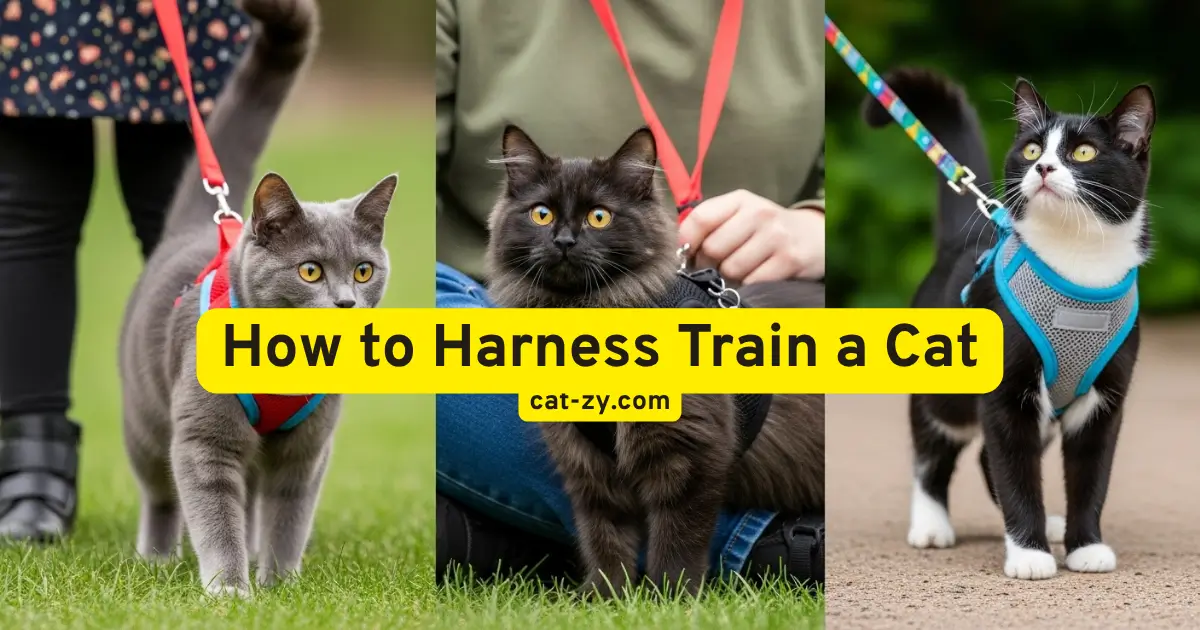
The art of how to harness train a cat has gained tremendous popularity among cat parents who want to enrich their pets' lives while keeping them safe. Unlike dogs, cats weren't naturally bred for leash walking, making this training process a unique journey that requires understanding your cat's independent nature and working with their instincts rather than against them.
Understanding Your Cat's Natural Instincts
Cats are natural explorers with highly developed senses that crave stimulation. In the wild, they spend their days investigating new territories, climbing, hunting, and experiencing countless sensory experiences. Indoor cats, while safe and comfortable, often miss out on these enriching experiences that fulfill their deepest behavioral needs.
Historically, cats have been companions to humans for over 9,000 years, yet they've retained much of their wild independence. This independent streak is exactly what makes harness training both challenging and rewarding. When you successfully learn how to harness train a cat, you're essentially bridging the gap between their domestic comfort and their wild instincts.
The key to success lies in recognizing that cats are not small dogs. They don't naturally follow or please humans in the same way. Instead, they're motivated by their own curiosity and comfort levels. This understanding forms the foundation of effective training.
Choosing the Perfect Equipment for Your Feline Friend
Not all harnesses are created equal, especially when it comes to our discerning feline friends. The market offers various styles, but the two most popular options are H-style and vest-style harnesses. Each serves different personality types and body shapes.
H-style harnesses feature a minimalist design with straps that form an "H" shape across your cat's body. These work well for cats who dislike feeling restricted and prefer minimal contact. Vest-style harnesses, on the other hand, distribute pressure more evenly across the chest and back, making them ideal for cats who might pull or for those with delicate necks.
Ready to discover more expert techniques? Learn the complete how to harness train a cat method with detailed step-by-step instructions.
Material choice plays a crucial role in your cat's comfort and willingness to wear the harness. Breathable fabrics like mesh or soft nylon prevent overheating and skin irritation. Avoid rough materials or anything with scratchy textures that might make your cat associate the harness with discomfort.
The Art of Positive Introduction
Creating positive associations is perhaps the most critical aspect of harness training. Cats are creatures of habit who can be suspicious of new objects, especially ones that restrict their movement. Your approach during the initial introduction phase will determine whether your cat sees the harness as an exciting adventure tool or a dreaded constraint.
Start by leaving the harness in areas where your cat spends time. Let them investigate it naturally, sniff it, and become familiar with its presence. Some cats may even choose to sleep near it once they realize it poses no threat.
The scent familiarization method works wonderfully for anxious cats. Rub the harness gently with a cloth that carries your scent or your cat's scent from their favorite sleeping spot. This makes the harness smell like home and safety rather than something foreign and potentially threatening.
Building Confidence Through Gradual Exposure
Patience becomes your greatest ally when learning how to harness train a cat. The process should unfold at your cat's pace, not yours. Rushing can create negative associations that take weeks or months to overcome.
Begin with short sessions where you simply place the harness near your cat during positive activities like feeding or playtime. Gradually progress to draping it over their back for a few seconds, always rewarding calm behavior with treats and praise.
The "freezing" or "flopping" behavior that some cats exhibit when first wearing a harness is completely normal. This dramatic response stems from their instinct to become very still when grabbed by a predator. With patience and positive reinforcement, most cats learn that the harness sensation is different from being captured.
Cultural folklore from ancient Egypt often depicted cats wearing decorative collars and harnesses, suggesting that the practice of adorning cats with wearable accessories has deep historical roots in human-feline relationships.
Mastering Indoor Practice Sessions
Before venturing outdoors, your cat needs to become completely comfortable moving naturally while wearing their harness indoors. This phase involves encouraging normal behaviors like walking, playing, and exploring while harnessed.
Create engaging indoor experiences by setting up obstacle courses with boxes, tunnels, or cat trees. This helps your cat associate the harness with fun activities rather than restriction. Play sessions while harnessed help build positive momentum and confidence.
Practice the attachment and removal process until it becomes routine. Your cat should remain calm during both procedures, viewing them as normal parts of their day rather than stressful events.
Want to master the complete training process? Discover advanced techniques for how to harness train a cat with expert guidance and troubleshooting tips.
Transitioning to Outdoor Adventures
The first outdoor experience should be in a controlled, quiet environment like a fenced backyard or garden. Choose times when the area is peaceful, avoiding busy periods with lots of noise or activity that might overwhelm your cat.
Start with brief five-minute sessions, focusing on letting your cat explore at their own pace rather than trying to direct their movement. Many cats prefer to move from hiding spot to hiding spot, using plants, furniture, or structures as security bases.
Weather conditions play a significant role in your cat's comfort and willingness to explore. Mild, calm days provide the best conditions for early outdoor sessions. Avoid windy, rainy, or extremely hot days that might create additional stress.
Advanced Techniques for Confident Cats
Once your cat has mastered basic harness wearing and short outdoor sessions, you can begin introducing more advanced concepts like loose leash walking and recall training. These skills open up possibilities for longer adventures and more diverse environments.
Leash pressure training teaches your cat to respond to gentle guidance rather than pulling against the leash. This technique requires consistency and patience, but results in more enjoyable walks for both of you.
Environmental enrichment becomes increasingly important as your cat's confidence grows. Introducing new safe locations, different textures underfoot, and varied sensory experiences keeps the training process engaging and mentally stimulating.
Celebrating Your Success
Learning how to harness train a cat represents more than just teaching a new skill. It's about understanding your cat's unique personality, respecting their boundaries, and creating opportunities for shared adventures that strengthen your bond.
Every cat progresses at their own pace, with some taking weeks and others requiring months to feel completely comfortable. The journey itself often proves as rewarding as the destination, as you learn to communicate with your cat in new ways and gain insights into their individual preferences and fears.
Remember that success looks different for every cat. Some may become enthusiastic hiking companions, while others prefer quiet garden exploration. Both outcomes represent successful training when your cat is happy, confident, and eager for their harness adventures.
The world becomes a much bigger, more exciting place when you and your cat can explore it together safely and confidently.

Cat and Pets
Hi! I'm Luna Whiskerstone, the creative voice behind Cat-zy and YellowMimish. I love writing about the charming world of cats—from quirky behaviors to cozy spaces they adore. Here on this Blogger profile, I share summaries and sneak peeks of my latest articles. Let’s celebrate cats together, one paw-some post at a time! Visit the full blog at 👉 www.cat-zy.com


