Cat Peeing Outside Litter Box: 5 Quick Fixes | yellowmimish
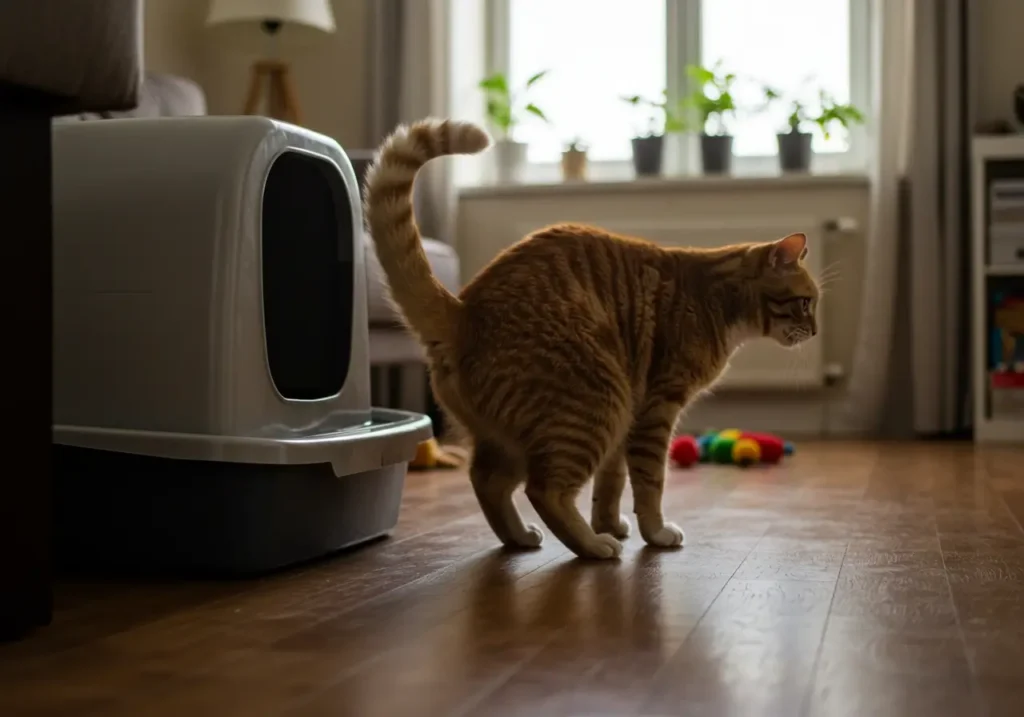 |
| Cat Peeing Outside Litter Box: 5 Quick Fixes | yellowmimish |
Understanding Your Feline's Bathroom Behavior
When your beloved cat starts avoiding their litter box, it can feel overwhelming for any pet parent. The truth is, Cat peeing outside litter box behavior is incredibly common and usually signals something important your feline friend is trying to communicate.
Cats have been domesticated for over 9,000 years, yet they still retain their wild instincts for cleanliness and territorial marking. Understanding these natural behaviors is key to resolving elimination issues effectively.
Why Cats Choose Alternative Bathroom Spots
The Communication Factor
Your cat isn't being rebellious or spiteful when they choose your favorite rug over their designated bathroom area. Felines communicate primarily through scent and behavior, and inappropriate elimination is often their way of expressing discomfort or stress about their current situation.
Environmental Preferences Matter
Cats are incredibly particular about their bathroom facilities. They prefer quiet, easily accessible locations that feel safe and secure. A box placed next to a noisy washing machine or in a high-traffic hallway might seem convenient to you, but feels threatening to your cat.
Common Triggers for Litter Box Avoidance
Cleanliness Standards
Cats possess an extraordinary sense of smell - about 14 times stronger than humans. What seems acceptable to us might be overwhelmingly unpleasant to them. Most cats will refuse to use a box that hasn't been cleaned within 24 hours.
Box Setup and Location Issues
- Box size too small for comfortable positioning
- Covered boxes that trap odors and feel confining
- Limited number of boxes in multi-cat households
- Placement near food, water, or noisy appliances
Environmental Stress Factors
Changes in routine, new household members, furniture rearrangement, or even seasonal variations can trigger anxiety in sensitive cats. This stress often manifests as elimination problems.
Ready to discover proven solutions that work? Cat peeing outside litter box fixes are easier than you think when you understand the underlying causes.
Effective Solutions for Bathroom Problems
H2: Optimize Your Litter Box Setup
The foundation of resolving Cat peeing outside litter box issues lies in creating an ideal bathroom environment. Follow the "one box per cat plus one extra" rule, distributing them throughout different areas of your home.
Choosing the Right Equipment
- Select boxes that are 1.5 times your cat's length
- Opt for open-top designs over covered versions
- Use unscented, fine-grain clumping litter
- Maintain 1.5-2 inches of litter depth
Location Strategy
Position litter boxes in quiet, low-traffic areas where your cat feels secure. Avoid placing them near food dishes, water bowls, or appliances that create sudden noises.
Maintenance Schedule
Establish a daily scooping routine and complete litter changes weekly. This consistency helps maintain the cleanliness standards your fastidious feline expects.
Environmental Enrichment Approaches
Reducing Household Stress
Creating a calm, predictable environment significantly impacts your cat's bathroom habits. Provide vertical spaces like cat trees, maintain consistent feeding schedules, and introduce changes gradually.
Territory Management
In multi-cat households, ensure each feline has access to their own resources. Competition for bathroom facilities often leads to Cat peeing outside litter box behaviors as cats seek alternative spots.
Cleaning and Prevention Strategies
Proper Accident Cleanup
Regular household cleaners won't eliminate the odor compounds that attract cats back to inappropriate spots. Use enzymatic cleaners specifically designed for pet accidents to completely neutralize these scents.
Making Inappropriate Areas Less Appealing
- Block access to favorite inappropriate spots temporarily
- Place food or water dishes near previously soiled areas
- Use different textures like aluminum foil or double-sided tape as deterrents
Understanding Behavioral Patterns
Ancient Egyptian cats were revered partly for their cleanliness habits, and modern house cats retain this fastidious nature. Recognizing that elimination issues stem from their natural instincts rather than defiance helps create more effective solutions.
Stress Response Recognition
Watch for signs of environmental stress that might trigger bathroom problems:
- Changes in routine or household composition
- New furniture or room arrangements
- Seasonal variations in household activity
- Introduction of new pets or people
Long-term Success Strategies
Patience and Consistency
Behavioral modifications require time and consistent implementation. Most Cat peeing outside litter box issues resolve within 2-4 weeks when appropriate interventions are maintained consistently.
Monitoring and Adjustment
Pay attention to your cat's preferences and adjust your approach accordingly. Some cats prefer different litter types, box styles, or locations than others.
Creating a Cat-Friendly Environment
Success in resolving elimination issues comes from understanding your cat's perspective and needs. By providing clean, accessible, appropriately sized bathroom facilities in quiet locations, you're addressing the core requirements that make cats feel comfortable using their designated areas.
Remember that every cat is unique, and what works for one might not work for another. The key is observing your feline's specific preferences and adjusting your approach accordingly. With patience, understanding, and the right environmental modifications, you can help your cat return to proper bathroom habits while strengthening your bond through better communication.

Cat and Pets
Hi! I'm Luna Whiskerstone, the creative voice behind Cat-zy and YellowMimish. I love writing about the charming world of cats—from quirky behaviors to cozy spaces they adore. Here on this Blogger profile, I share summaries and sneak peeks of my latest articles. Let’s celebrate cats together, one paw-some post at a time! Visit the full blog at 👉 www.cat-zy.com


